

What is a Flipper Denture? UK Cost, Benefits and Care
Posted by Ethan Parker on
- November 03, 2026
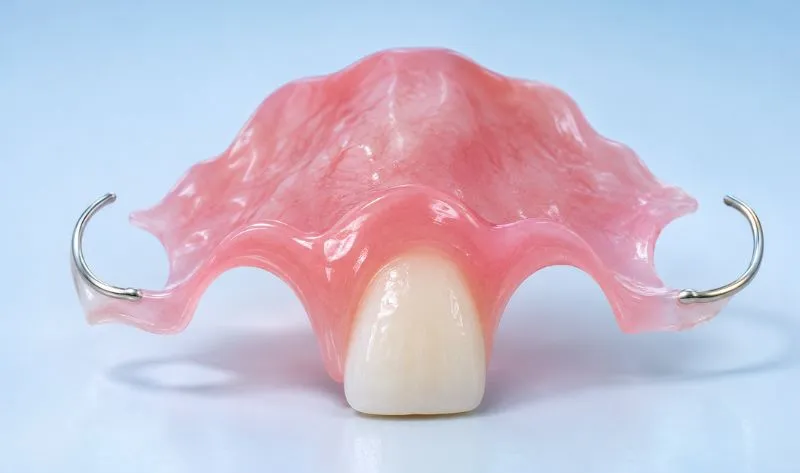
Table of Contents

- What is a Flipper Denture?
- Types of Flipper Denture
- Pros and Cons of a Flipper Denture
- How Much Does a Flipper Denture Cost in the UK?
- How Long Does a Flipper Denture Last?
- Is a Flipper Denture Right for You?
- How to Get a Flipper Denture: Step by Step
- Can You Sleep With a Flipper Denture?
- Will People Notice It?
- How to Clean and Care for a Flipper Denture
- Common Problems and What to Do
- Flipper Denture vs Other Dentures
- Is a Flipper Denture Worth It?
- Conclusion
- Frequently Asked Questions
Losing a tooth can feel stressful, especially when the gap shows every time you smile. A flipper denture is one of the quickest ways to fill that gap. It is a small, removable denture, usually worn for a short time while you decide on a longer-term option.
This guide explains what a flipper denture costs in the UK, what it is like to wear, how long it lasts and when another option may suit you better.
What is a Flipper Denture?
A flipper denture or flipper tooth is a removable acrylic partial denture that holds one or more replacement teeth. It has a thin, gum-coloured base that rests against the roof of your mouth or along your lower gum.
You may also hear it called a flipper tooth, dental flipper, stayplate or temporary partial denture. These names usually describe the same type of denture. The name comes from the way it can be flipped in and out of place with your tongue, although this habit can loosen the fit. Flipper dentures are smaller and simpler than most long-term full and partial dentures.
What is a Flipper Denture Made Of?
Most flipper dentures use acrylic for both the base and the replacement tooth. The base is coloured to blend with your gums, and the tooth is matched as closely as possible to your natural teeth.
How Does it Stay in Place?
A flipper denture is usually held by a close fit around your natural teeth. An upper flipper also gains support from the palate. Some designs add small clasps, which can give a firmer hold but may show when you smile.
Types of Flipper Denture
Flipper dentures are made to fit each person’s mouth, but they generally fall into a few common types. The right design depends on how many teeth are missing, where the gap is and how the denture will stay secure. One denture can fit more than one description. For example, a single front tooth may be replaced with an upper, single-tooth flipper denture.
Single-Tooth Flipper Denture
This is the simplest design, with one replacement tooth attached to a small acrylic base. It is often used after a tooth has been removed or lost in an accident, especially when the gap is visible.
Multiple-Tooth Flipper Denture
This design holds two or more replacement teeth on one base. It works in the same way as a single-tooth flipper denture, but the larger base can feel bulkier. If several teeth are missing, or you need the denture for everyday chewing, a stronger partial denture may be more suitable.
Front-Tooth Flipper Denture
Appearance is the main concern when a front tooth is missing. The shade, shape and length of the replacement tooth should match with your natural teeth. Your denturist will also consider whether any clasps would show when you talk or smile.
Upper Flipper Denture
An upper flipper denture usually covers part of the roof of your mouth. This extra surface can make it more stable, although it may feel bulky at first and can affect your speech for a short time.
Lower Flipper Denture
A lower flipper denture rests along your lower gum and is shaped to leave space for your tongue. With no palate for support, it relies more on a precise fit or clasps, so it may take longer to feel secure.
If rigid acrylic feels uncomfortable, flexible dentures would suit you. They can feel more comfortable, but they are not the right choice for every gap.
Pros and Cons of a Flipper Denture
A flipper denture can be a practical way to replace a missing tooth quickly. However, it is designed for convenience rather than strength, so it is important to understand both sides before you decide.
Pros
- It Can Be Made Quickly: A flipper denture is usually faster to provide than a bridge or implant, which helps when you want to cover a visible gap soon.
- It Can Be Ready Before an Extraction: If a tooth is due to be removed, a flipper denture can be planned in advance so that you do not have to leave with a gap.
- It Has a Lower Upfront Cost: It is one of the more affordable ways to replace a tooth, which can give you time to plan and save for another option.
- It Does Not Need Surgery or Drilling: Impressions are taken, but the nearby teeth do not need to be shaped as they would for a conventional bridge.
- It Can Improve Your Smile: A well-matched tooth fills the gap and can help you feel more confident at work and in social situations.
- It Can Make Everyday Activities Easier: Filling the gap may help with speech and light chewing, although some words and foods can feel difficult at first.
- It Can Help Hold the Space: Filling the gap may help stop nearby teeth drifting while you decide on your next step.
- It Is Removable: You can take it out to clean it and to clean your natural teeth and gums.
Cons
- It Is Fragile: Thin acrylic can crack if it is dropped or put under too much biting pressure.
- It Can Feel Bulky: The base may feel strange at first and can affect your speech until you get used to it.
- Clasps May Be Visible: Some designs use small clasps for extra hold, and these can show near the front of your mouth.
- It Can Become Loose: Your gums can change shape after an extraction, and regular use can also weaken the grip, so it may need adjusting or relining.
- It Limits What You Can Eat: Hard, sticky and chewy foods can damage or dislodge it.
- It Can Stain: Coffee, tea, curry and dark juices can discolour acrylic over time.
- It Needs Careful Cleaning: Food and plaque can collect around the base, which can raise the risk of tooth decay and gum problems.
- It Can Affect Your Gums: The base covers part of your gums and reduces the flow of saliva there, which may contribute to gum recession.
- It Can Cause an Allergic Reaction: Some people are allergic to denture materials, so tell your denturist about any allergies before treatment.
- It Does Not Protect the Jawbone: Bone can shrink after a tooth is lost, and a flipper denture does not stimulate it as a natural tooth root does.
- It Is Not Ideal Long Term: Repeated adjustments, repairs and replacements can add up, so a sturdier option may offer better value over time.
How Much Does a Flipper Denture Cost in the UK?
Published UK prices for a single-tooth flipper denture are often around £150–£450 privately. The price usually rises with more teeth, better materials and more complex designs.
Route | Typical cost | What to know |
Private, one tooth | About £150–£450 | Prices vary by provider and material |
Private, several teeth | More than a single-tooth design | Ask for a written quote |
NHS in England | One charge for the course of treatment, if an NHS denture is clinically appropriate |
Can You Get a Flipper Denture on the NHS?
The NHS provides dentures where they are clinically needed, and they are charged at Band 3 in England. Access depends on your needs and on finding an NHS place. Some people qualify for free NHS dental treatment, so check your entitlement before you pay. Charges work differently in Scotland, Wales and Northern Ireland, so check the rules where you live.
What Affects the Price?
- The number of teeth being replaced
- The material and the finish of the replacement tooth
- The design, including whether clasps are needed
- Laboratory work and how quickly you need the denture
- Later adjustments, relines and repairs
How Long Does a Flipper Denture Last?
A flipper denture is designed to be temporary and is usually worn for months rather than years. Online figures vary, often from a few months to a year or more, because they measure different things.
There are two questions to separate:
- How long should you wear it? That depends on your plan. After an extraction, your gums and bone change as they heal, so the fit can change too.
- How long can it physically last? With careful use, some flipper dentures last longer than planned. However, thin acrylic can wear, crack or become loose.
A temporary flipper differs from a well-made long-term denture, which is designed for years of everyday use.
Can a Flipper Denture Be Permanent?
It can be worn long term in some cases, such as when health, age, jawbone or budget rules out other options. It is rarely the best long-term choice, however. If you expect to keep wearing a denture, a sturdier partial denture is usually worth discussing.
Is a Flipper Denture Right for You?
A flipper denture is usually a good short-term choice and a weaker long-term one. Use this guide as a starting point for your consultation.
It may suit you if:
- You need to cover a visible gap quickly
- You are waiting for a longer-term replacement
- You want a lower upfront cost while you plan and save
- You want to avoid surgery or changes to nearby teeth for now
It may not suit you if:
- You want a long-term solution for everyday chewing
- You are missing several teeth or back teeth
- You have active gum disease or decay that needs treating first
- You have a known allergy to denture materials
How to Get a Flipper Denture: Step by Step
A flipper denture is custom made, usually over a few short stages.
A flipper denture is custom made, usually over a few short stages.
- Check What You Need First: If you still have natural teeth, UK rules require a prescription from a dental practice before a partial denture can be provided. Contact us if you are unsure what you need.
- Consultation: Your denturist looks at the gap and discusses your goals, your budget and the choices available.
- Impressions: Soft impression material records the shape of your mouth so that the denture can be made to fit.
- Making Dentures: The base and replacement tooth are made and matched to your natural teeth.
- Fitting: Your denturist checks the fit, bite and appearance, then shows you how to take it in and out.
- Review: Small adjustments can relieve pressure points. These are especially common if your gums are still healing.
At H&A Denture Clinic, new dentures usually take about 7 to 10 days, and urgent cases can often be completed sooner. The process is not usually painful. Taking impressions can feel odd, but it does not involve drilling or surgery.
Can You Sleep With a Flipper Denture?
Most people should take it out at night unless their denturist gives different advice. This gives your gums a rest and allows a thorough clean.
A Japanese study of people aged 85 and over also linked sleeping in dentures with a higher risk of pneumonia. It did not study flipper dentures in younger adults, and it does not prove cause and effect, but it is a good reason to build a healthy night-time habit.
Will People Notice It?
A well-matched flipper denture can look natural in conversation and in photographs. Visible clasps and a poor colour match are the most common giveaways.
How to Clean and Care for a Flipper Denture
Clean your flipper denture every day, and rinse it after meals where you can.
- Take it out and rinse away loose food.
- Brush it gently with a soft brush and a non-abrasive denture cleaner. Regular toothpaste can be too harsh.
- Rinse it well with cool or lukewarm water.
- Keep it in water or denture solution overnight so that it does not dry out.
- Brush your natural teeth and gums before putting it back in.
Hold it over a bowl of water or a folded towel while cleaning dentures, in case you drop it. Avoid hot water, which can warp acrylic.
Common Problems and What to Do
Most flipper denture problems are easier to fix when you act early. Do not try to repair or reshape it yourself.
Problem | Likely cause | What to do |
Feels loose | Gum changes or wear | Book an adjustment or reline |
Sore spots | Pressure or rubbing | Book an adjustment |
Crack or break | Drop or biting force | Stop wearing it and arrange denture repairs |
Staining or a bad smell | Plaque or food stains | Improve your cleaning routine and ask for advice |
Red, sore gums | Possible irritation or infection | Take it out and get your mouth checked |
Avoid household glue on a broken denture, as it can damage the denture and irritate your mouth.
If you think you have swallowed or inhaled your denture, get urgent medical advice. Call 999 if you have trouble breathing or chest pain.
Flipper Denture vs Other Dentures
Flipper Denture vs Partial Denture
A flipper denture is a type of partial denture, but the terms are often used differently. “Flipper” usually means a simple, temporary acrylic design. A long-term partial denture is built for more everyday use, sometimes with a metal framework. Strength matters even more with partial dentures for back teeth, which take more chewing pressure.
Flipper Denture vs Clear Retainer
A clear retainer with a replacement tooth covers your teeth and has no visible clasps. It can look discreet, but it covers the biting surfaces and is not designed for eating.
Flipper Denture vs Bridge
A bridge is fixed in place, so there is nothing to take out. It is steadier for eating, but it costs more and relies on the teeth beside the gap.
Flipper Denture vs Implant
An implant is placed in the jawbone and is usually the closest match to a natural tooth. It also costs the most and involves surgery and healing time, which can take months. Many people wear temporary teeth during this period.
Is a Flipper Denture Worth It?
Yes, for many people, a flipper denture is worth it as a short-term step. It closes the gap quickly, costs less upfront and gives you time to make a calm decision.
It is often of poor value as a long-term plan. Repairs, relines and replacements can add up, and a stronger partial denture may serve you better if you expect to wear it every day.
Conclusion
A flipper denture is a quick and affordable way to fill a gap, whether you have lost a tooth suddenly or are planning your next step. It can restore your smile and make everyday life feel easier, but it is not as strong or stable as a long-term option.
Before you decide, consider how long you will need it, what you want to eat comfortably and what fits your budget. Good daily care and timely adjustments can also help it stay comfortable and secure.
If you are unsure whether a flipper denture is right for you, our denturists at H&A Denture Clinic in Peterborough can explain your options and help you choose with confidence.
Frequently Asked Questions
Is a flipper denture the same as a flipper tooth?
Yes. Both names usually describe the same removable acrylic appliance. “Flipper tooth” often refers to a single replacement tooth, while “flipper denture” can describe one tooth or several.
Does a flipper denture stop teeth moving?
It can help. Filling the gap helps keep nearby teeth from drifting into the space, as long as you wear it as advised and it fits well.
Can a flipper denture cause bone loss?
The denture does not directly cause the main bone loss. Bone naturally shrinks after a tooth is lost, and a flipper does not stimulate the jawbone as a tooth root does.
Can I wear a flipper denture straight after an extraction?
Sometimes. A denture can be planned before an extraction, but timing depends on your healing and your treatment plan. Follow the advice given by the practice that treats you.
Can a flipper denture be repaired?
Often, yes. Cracks, breaks and loose teeth can frequently be repaired, depending on the damage. Severely damaged or very thin dentures may need replacing.
Can a new tooth be added to a flipper denture?
In many cases, yes. At H&A Denture Clinic, a tooth can often be added to an existing denture on the same day, so it is worth asking before you pay for a new one.
Can I use adhesive with a flipper denture?
A small amount of denture adhesive may help some people. It should not be used to hide a poor fit, so ask about an adjustment if the denture feels loose.
Can children or teenagers have a flipper denture?
Yes, in some cases. Young people may use one while their jaw is still growing, because some fixed options need to wait until growth has finished.
Can I buy a flipper denture online?
It is safer to have one made and fitted professionally. A poor fit can rub your gums, put pressure on your teeth and be harder to wear.

Ethan Parker writes and reviews content on denture treatments and denture care, focusing on accuracy and clarity to make information easy to understand.
Other Relevant Posts
Invisible Dentures: Types, Benefits and What to Expect
You have your dentures fitted, you are getting used to wearing them, and now a very practical question starts…

Learning to Talk With Dentures: Tips for Clearer Speech
You have your dentures fitted, you are getting used to wearing them, and now a very practical question starts…
How to Fix Broken Dentures: A Practical Guide
You have your dentures fitted, you are getting used to wearing them, and now a very practical question starts…