

Can You Sleep With Dentures? Is it Safe?
Posted by Ethan Partker on
- June 5, 2026
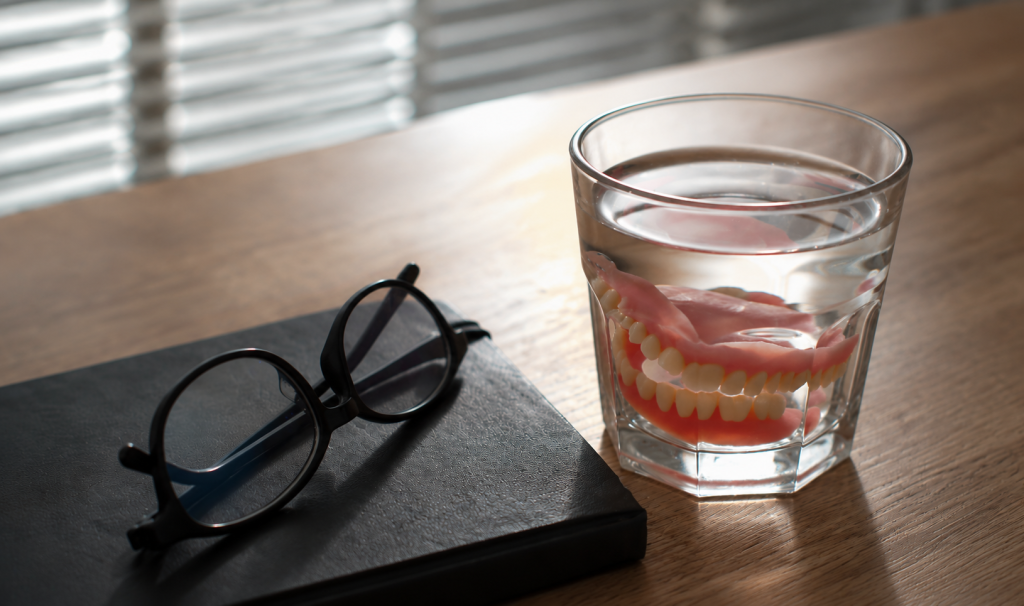
Table of Contents

- Can You Sleep With Dentures In?
- Risks of Sleeping in Your Dentures
- What Happens If You Never Take Your Dentures Out?
- Does It Differ for Partial, Full or Implant-Supported Dentures?
- When Might a Dentist Tell You to Keep Them In?
- How to Care for Your Dentures Overnight
- Signs You Should See a Denture Clinic
- Conclusion
If you wear dentures, one of the first questions that comes up, especially in those early weeks, is whether you can simply leave them in at night. It feels easier, and if you’re still getting used to them, taking them out can feel strange or even a little exposing. So can you sleep with dentures in, and is it actually safe to do so?
The short answer, technically you can, but dentists generally recommend against it. Giving your mouth a nightly break is one of the simplest habits you can adopt to protect your gums, your jawbone, and the dentures themselves. Here’s what that really means, what the risks are, and how to build an easy overnight routine.
Can You Sleep With Dentures In?
Yes, it’s physically possible to sleep with your dentures in, and doing it occasionally is unlikely to cause serious harm. The problem is making it a regular habit. Dental professionals, along with the NHS, advise removing dentures for around six to eight hours each day, and nighttime is usually the most practical window.
The reason is simple, your gums and the soft tissues under the denture need time to rest and recover. During the day they’re covered and under pressure, overnight is their chance to breathe, allowing saliva to circulate and naturally clean the mouth. Skip that break night after night, and small problems start to add up.
Risks of Sleeping in Your Dentures
Regularly keeping your dentures overnight is associated with several well-documented problems.
Oral Thrush
This is the most commonly cited risk. When a denture sits against the gums continuously, the warm, moist, enclosed space beneath it becomes an ideal environment for a fungus called Candida to multiply. The result, denture stomatitis, shows up as redness and inflammation of the gum or palate beneath the denture, and it’s far more common in people who wear their dentures 24/7.
Accelerated Bone Loss
The bony ridge that supports your dentures gradually changes shape over time. Research suggests that wearing dentures continuously, including during sleep, can speed up this bone loss, because the constant pressure without a nightly rest limits circulation and recovery in the underlying tissue. Over the years, that can affect how well your dentures fit.
Gum Irritation and Sore Spots
Gum tissue, like any other part of the body, needs periods of rest. Continuous wear prevents that recovery and makes chronic irritation and sore spots more likely.
Higher Pneumonia Risk in Older Adults
A notable study of elderly nursing-home residents found that those who slept in their dentures had a significantly higher risk of pneumonia than those who took them out. The likely explanation is a heavier build-up of bacteria in the mouth overnight, which can be drawn into the lungs during sleep.
Bad Breath and Bacterial Build-Up
Trapped food and bacteria under a denture worn all night can lead to unpleasant breath and a higher chance of plaque, particularly around any remaining natural teeth in the case of partial dentures.
What Happens If You Never Take Your Dentures Out?
Wearing dentures permanently, without ever giving your mouth a break, tends to compound all of the above. Over time you’re more likely to experience persistent gum inflammation, recurring fungal infections, faster bone loss, and a deteriorating denture fit. It also makes proper cleaning far harder, since the dentures rarely get a thorough soak and brush. None of this happens overnight, it’s the slow result of skipping the rest period day after day, but it’s exactly why the nightly habit matters.
Does It Differ for Partial, Full or Implant-Supported Dentures?
Not all dentures are the same, and the guidance can vary slightly.
Full dentures replace a complete arch of teeth. The standard advice applies, take them out overnight to let the gums and ridge recover.
Partial dentures fill gaps alongside natural teeth. Removing them at night is just as important, arguably more so, because the clasps and edges can trap plaque against your remaining teeth, raising the risk of decay and gum disease if they’re never taken out.
Implant-supported or snap-in dentures clip onto dental implants for a more secure fit. Many are still designed to be removed and cleaned overnight, but care routines vary by type. If you have implant-supported dentures, follow the specific instructions your dentist gives you rather than assuming.
When Might a Dentist Tell You to Keep Them In?
There are some situations where a dentist may advise wearing dentures overnight, usually for a short period. The most common is immediately after a tooth extraction. An “immediate” denture is often left in for the first 24 hours to help control bleeding and protect the healing site, after that, normal nightly removal resumes. Some people are also asked to wear new dentures more continuously at first to help the mouth adjust. In every case, it’s worth following your own dentist’s instructions, as they’re based on your specific situation.
When Might a Dentist Tell You to Keep Them In?
When you take your dentures out at night, a simple routine keeps them clean and in good shape:
- Remove and rinse your dentures under lukewarm running water to wash away loose food debris.
- Brush gently with a soft denture brush and a non-abrasive denture cleaner, not regular toothpaste, which can be too abrasive.
- Soak overnight in plain water or a proper denture-soaking solution. This stops the acrylic from drying out and warping.
- Rinse before reinserting in the morning, especially if you’ve used a cleaning solution.
- Clean your mouth too, brush your gums, tongue and the roof of your mouth with a soft toothbrush to remove bacteria and boost circulation.
One key warning: Never soak dentures in hot or boiling water. Heat can distort the shape and ruin the fit. Lukewarm water only.
Signs You Should See a Denture Clinic
Book a check-up sooner rather than later if you notice any of the following:
- Persistent redness, soreness or swelling of the gums beneath your denture
- White patches that don’t wipe away
- A burning sensation or ongoing discomfort
- Dentures that have become loose, rub, or no longer fit comfortably
- Recurring bad breath despite good cleaning
These can be early signs of denture stomatitis or a fit problem, both of which are far easier to treat when caught early. If you spot any of them, it’s worth booking a check-up so the team at H and A Denture can examine your mouth and adjust your dentures if needed.
Conclusion
So, can you sleep with dentures in? Physically, yes, but the safer, healthier choice is to take them out overnight. That nightly break protects your gums, slows bone loss, lowers your risk of infection, and helps your dentures stay comfortable and well-fitting for longer. The occasional night won’t undo your oral health, but as a daily habit, removing your dentures is one of the most valuable things you can do for your mouth.
If you’re new to dentures or unsure about your routine, or if you notice any soreness, redness, or a change in fit, our dentist is the best person to advise you. A quick conversation at your next appointment can set your mind at ease and keep your smile healthy for years to come.

Author - Ethan Parker
Ethan Parker writes and reviews content on denture treatments and denture care, focusing on accuracy and clarity to make information easy to understand.
Other Relevant Posts

Learning to Talk With Dentures: Tips for Clearer Speech
You have your dentures fitted, you are getting used to wearing them, and now a very practical question starts…
How to Fix Broken Dentures: A Practical Guide
You have your dentures fitted, you are getting used to wearing them, and now a very practical question starts…

What Can I Eat With Dentures? Best Foods & What to Avoid
You have your dentures fitted, you are getting used to wearing them, and now a very practical question starts…