

How Does Denture Adhesive Work?
Posted by Ethan Parker on
- Auguest 5, 2026
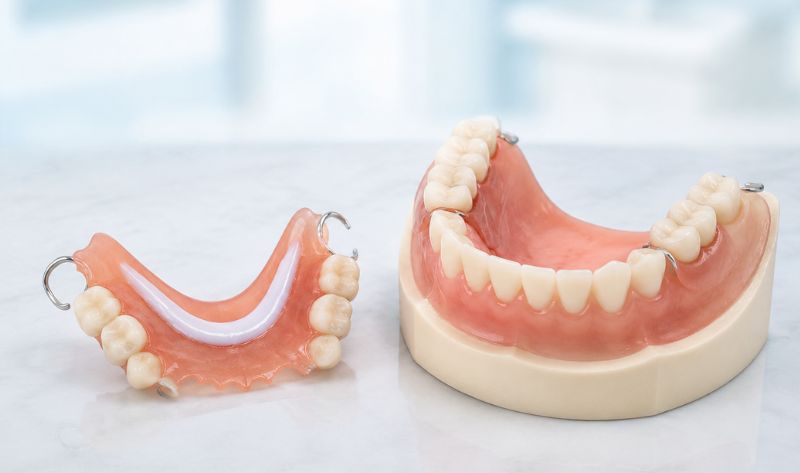
Table of Contents

- What is Denture Adhesive?
- How Does Denture Adhesive Work?
- The Different Types of Denture Adhesives
- When Denture Adhesive is Genuinely Helpful
- How to Use Denture Adhesive Correctly
- Removing Adhesive Residue
- When Shouldn’t You Use Denture Adhesive?
- Main Ingredients in Denture Adhesive
- Tips for Getting the Best Results
- Find the Right Denture Adhesive for Everyday Comfort
- Conclusion
Dentures are designed to restore your smile, improve chewing, and make speaking easier. However, even well-made dentures can sometimes shift while you’re eating, talking, or laughing. This is where denture adhesive can help.
A denture adhesive creates an extra layer of support between your dentures and gums, helping them stay firmly in place throughout the day. While it isn’t a replacement for properly fitted dentures, it can improve comfort and provide additional confidence for many wearers.
In this guide, we’ll explain how denture adhesive works, the different types available, when it’s helpful to use, how to apply it correctly, and when you should consult your dentist instead of relying on adhesive.
What is Denture Adhesive?
Denture adhesive is a specially formulated product designed to improve the retention and stability of removable dentures. It fills tiny gaps between your dentures and gum tissue, creating a stronger seal that helps keep dentures securely in place.
Denture adhesives are available in several forms, including creams, powders, adhesive strips, and pads. Each type works slightly differently, but they all have the same goal, to provide extra grip and reduce denture movement during everyday activities.
Many people use denture adhesive to:
- Improve denture stability
- Increase comfort while chewing
- Reduce slipping during conversations
- Reduce food particles getting underneath dentures
- Build confidence in social situations
It’s important to remember that denture adhesive is intended to support well-fitting dentures rather than compensate for dentures that have become loose or damaged with time.
How Does Denture Adhesive Work?
Denture adhesive works by combining with moisture in your mouth to create a thin, cushioning layer between your gums and the denture base.
- Once applied, the adhesive absorbs saliva and swells slightly. This creates a soft, sticky layer that fills microscopic gaps between your gums and dentures. As these gaps are filled, air is reduced under the denture, helping improve suction while increasing friction between the denture and your gums.
- The result is a stronger hold that helps prevent unwanted movement throughout the day.
- Besides improving retention, denture adhesive also cushions the gums. This additional padding can make wearing dentures more comfortable, especially for people with sensitive gum tissue.
- Many users also notice that adhesive helps reduce the amount of food trapped beneath dentures, making meals more comfortable and enjoyable.
- It’s worth noting that denture adhesive doesn’t “glue” your dentures permanently. Instead, it creates temporary support that lasts throughout the day and can easily be removed during your nightly cleaning routine.
The Different Types of Denture Adhesives
There are several types of denture adhesive available. The best option depends on your personal preference, denture fit, and daily routine.
Denture Adhesive Cream
Cream adhesive is one of the most popular choices because it’s easy to apply and provides a strong hold. Small strips or dots of cream are placed on the denture before insertion. Once the denture is positioned correctly, the cream spreads evenly as pressure is applied.
Benefits
- Strong all-day hold
- Comfortable cushioning effect
- Easy to find in most pharmacies
- Suitable for both full and partial dentures
Denture Adhesive Powder
Powder adhesive is sprinkled evenly across a damp denture before insertion. It creates a thinner adhesive layer than cream and is often preferred by people who want easier cleaning at the end of the day.
Benefits
- Simple application
- Less messy than cream
- Easy to remove
- Natural-feeling hold
Denture Adhesive Strips
Adhesive strips are pre-cut pieces that fit onto dentures before wearing.
Once moistened, they activate and provide a secure hold without squeezing cream or measuring powder.
Benefits
- Convenient
- Minimal mess
- Consistent adhesive coverage
- Ideal for travel
When Denture Adhesive is Genuinely Helpful
Denture adhesive isn’t necessary for everyone, but there are situations where it can make a noticeable difference.
New Denture Wearers
Adjusting to new dentures takes time. During this period, adhesive can provide additional confidence while you learn to eat and speak comfortably.
Lower Dentures
Lower dentures generally have less natural suction than upper dentures because of the tongue and surrounding muscles. Many people find adhesive especially helpful for improving lower denture stability.
Special Occasions
If you’re attending an important meeting, wedding, presentation, or family gathering, adhesive can provide extra reassurance that your dentures remain secure.
Dry Mouth
Saliva plays an important role in denture retention. People with dry mouth may experience reduced suction, making adhesive beneficial after discussing it with their dental professional.
Minor Loss of Retention
Small changes in your gums can affect denture stability over time.
While adhesive may temporarily improve comfort, persistent looseness should always be assessed by your dentist.
How to Use Denture Adhesive Correctly
Correct application is essential for achieving the best results.
Step 1: Clean Your Dentures
Wash your dentures thoroughly to remove food debris, old adhesive, and bacteria.
Step 2: Dry the Denture
Most cream adhesives work best when applied to a clean, dry denture. Always follow the manufacturer’s instructions.
Step 3: Apply Small Amounts
Use only a few short strips or small dots. Applying too much adhesive won’t improve the hold and can make cleaning more difficult.
Step 4: Insert the Denture
Position your denture carefully and press it firmly into place. Bite down gently for several seconds to help distribute the adhesive evenly.
Step 5: Wait Before Eating
Many manufacturers recommend waiting several minutes before eating or drinking. This allows the adhesive to fully activate.
Removing Adhesive Residue
Removing denture adhesive each day helps maintain good oral hygiene and prevents unnecessary build-up.
Cleaning Your Dentures
- Remove dentures carefully.
- Rinse under warm water.
- Use a denture brush and denture cleanser.
- Remove all remaining adhesive before storing overnight.
Avoid using very hot water, which may warp the denture material.
Cleaning Your Gums
After removing your dentures:
- Brush your gums gently using a soft toothbrush.
- Clean your tongue and palate.
- Rinse thoroughly with water.
Keeping your mouth clean helps maintain healthy gum tissue and reduces irritation.
When Shouldn't You Use Denture Adhesive?
Although denture adhesive is safe when used correctly, there are situations where it shouldn’t be relied upon.
Loose Dentures
If your dentures move excessively or require large amounts of adhesive every day, they may no longer fit properly. Your dentist can assess whether they need adjustment, relining, or replacement.
Broken or Damaged Dentures
Never use adhesive to hold together cracked or damaged dentures. Damaged dentures should be professionally repaired.
Persistent Sore Spots
If your dentures regularly cause pain or ulcers, adhesive will not solve the underlying issue. Instead, book an appointment with your dentist for an adjustment.
Excessive Adhesive Use
Using significantly more adhesive than recommended may indicate poor denture fit. Follow the instructions provided with your chosen product.
Allergic Reactions
Although uncommon, some people may experience irritation or sensitivity to certain ingredients. If irritation develops, discontinue use and consult your dental professional.
Main Ingredients in Denture Adhesive
Most denture adhesives contain a combination of ingredients that improve grip, moisture retention, and comfort. Common ingredients include:
Cellulose Gum
Creates a gel-like texture after absorbing saliva, improving adhesion.
PVM/MA
A commonly used adhesive polymer that helps create a long-lasting bond.
Sodium Carboxymethyl Cellulose
Improves water absorption and contributes to the adhesive’s cushioning effect.
Mineral Oil
Often included in cream adhesives to improve consistency and application.
Petrolatum
Helps create a smooth texture and protects the adhesive from drying out.
Flavouring Agents
Some products include mild mint flavouring to leave your mouth feeling fresher.
Zinc-Free Formulas
Many modern denture adhesives are zinc-free. While zinc-containing products are still available, zinc-free formulas are widely chosen for everyday use and provide excellent performance when used as directed.
Tips for Getting the Best Results
To improve your experience with denture adhesive:
- Always clean dentures before applying adhesive.
- Use only the recommended amount.
- Remove adhesive completely each night.
- Take your dentures out while sleeping unless advised otherwise.
- Visit your dentist regularly to check denture fit.
- Replace worn dentures when necessary.
Good denture care is just as important as choosing the right adhesive.
Find the Right Denture Adhesive for Everyday Comfort
Whether you’re new to dentures or simply looking for extra stability, choosing the right denture adhesive can make daily activities more comfortable. From cream adhesives to powders and strips, selecting a product that suits your needs can help improve confidence while eating, speaking, and smiling. If you’re unsure which option is right for you, seek advice from your denture clinic or browse our range of trusted denture care products.
Conclusion
Denture adhesive is a simple yet effective solution for improving the comfort and stability of removable dentures. By working with the natural moisture in your mouth, it creates a secure seal that helps reduce movement, cushions your gums, and provides greater confidence throughout the day.
However, adhesive should always be viewed as an aid rather than a fix for loose or poorly fitting dentures. Regular dental check-ups remain essential to ensure your dentures continue to fit correctly and comfortably.
When used correctly alongside good oral hygiene and proper denture care, denture adhesive can make everyday activities, from enjoying meals to speaking with confidence, more comfortable and worry free.

Ethan Parker writes and reviews content on denture treatments and denture care, focusing on accuracy and clarity to make information easy to understand.
Other Relevant Posts

Learning to Talk With Dentures: Tips for Clearer Speech
You have your dentures fitted, you are getting used to wearing them, and now a very practical question starts…
How to Fix Broken Dentures: A Practical Guide
You have your dentures fitted, you are getting used to wearing them, and now a very practical question starts…

What Can I Eat With Dentures? Best Foods & What to Avoid
You have your dentures fitted, you are getting used to wearing them, and now a very practical question starts…