

Cheap vs Expensive Dentures: What's the Real Difference?
Posted by Ethan Parker on
- Jun 15, 2026
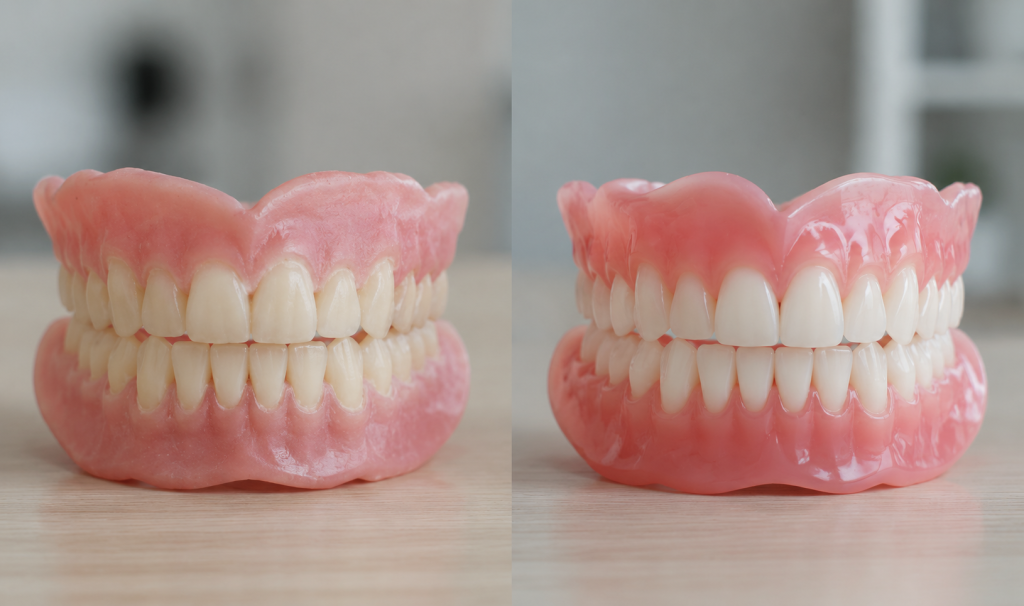
Table of Contents

- Cheap vs Expensive Dentures
- What are Cheap Dentures?
- What are Expensive Dentures?
- How Much Do Dentures Cost in the UK?
- Denture Types by Price Tier
- Key Differences Explained
- The Hidden Costs of Cheap Dentures
- Are Premium Dentures Worth It?
- How to Choose the Right Dentures for You
- Conclusion
If you’re weighing up dentures, you’ve probably noticed the prices vary enormously, from a few hundred pounds to several thousand. So what actually separates a cheap denture from a premium one, and is the extra cost worth it? The honest answer is that price reflects real differences in fit, materials, comfort and how long the denture lasts. This guide breaks down exactly what you get at each level, with current UK prices, so you can make a confident decision.
Cheap vs Expensive Dentures
Cheap dentures cost less upfront but are usually less customised, made from basic materials, and tend to need more adjustments and earlier replacement. Premium dentures cost more initially but are tailored precisely to your mouth, use higher-quality materials, and generally offer better comfort, a more natural look, and a longer lifespan. For most people, premium dentures deliver better value over time, but the right choice depends on your budget, priorities and how you live.
What are Cheap Dentures?
“Cheap” dentures are typically standard, lower-cost options that prioritise affordability over precision. They’re often made with basic acrylic and a more generic fit.
The advantages are obvious, a lower upfront cost and quicker availability, which can be a real help if budget is the deciding factor. The trade-offs are that they can feel bulkier or more rigid, may move when you eat or speak, often rely on adhesive, and tend to wear out faster, meaning more repairs and earlier replacement.
What are Expensive Dentures?
Premium dentures are custom-made for your individual mouth using higher-quality materials and a more detailed fitting process. More time goes into impressions, bite registration and try-in appointments to get the fit right.
The benefits are better stability, more even pressure across the gums, a more natural appearance, and greater durability. The downside is simply the higher upfront cost, though, as we’ll see, that often balances out over the life of the denture.
How Much Do Dentures Cost in the UK?
This is where the decision becomes real. Here are current guideline prices for 2026. Bear in mind that private fees vary by clinic, region and complexity, London prices, for example, are often 30–50% higher than the national average.
NHS Dentures
In England and Wales, dentures fall under the NHS Band 3 charge, which is £332.10 from April 2026. Importantly, this single charge covers your whole course of treatment, whether you need a partial, a full upper, a full lower, or a complete set made in the same course, including impressions, fitting and adjustments. In Scotland, NHS dental treatment is free for all residents. In Northern Ireland, patients pay a subsidised share of the cost. NHS dentures are made from clinically appropriate acrylic (with metal-framed partials available in certain clinical cases), so they’re functional and durable, but they aren’t a cosmetic, premium product.
Private Dentures
Private pricing reflects the type of denture and the materials used. As a rough guide:
- Acrylic Partial Denture: Around £400–£900
- Full Acrylic Denture: Around £500–£1,200
- Cobalt-chrome (metal-framed) Partial: Around £700–£1,500
- Flexible (nylon) Denture: Around £600–£1,400
- Premium Hand-finished Full Set: Around £1,500–£2,500, with high-end bespoke options rising further
- Implant-retained Denture: From around £2,000–£7,000+ per arch
Denture Types by Price Tier
Cost largely tracks the type of denture, so it helps to know what sits where.
- Basic Acrylic (budget): The most affordable and most common option, suitable for many patients but bulkier and less hard-wearing than other materials.
- Cobalt-chrome / Metal-framed (mid to premium): A slim, strong metal framework that’s more comfortable and durable, often a good choice for partial dentures.
- Flexible Dentures: Made from a lightweight nylon material, popular for partials because they’re comfortable and discreet, with no metal clasps.
- Implant-supported (Premium): Dentures that clip onto dental implants for a far more secure fit, especially valuable for lower dentures, which otherwise tend to loosen as the jaw changes shape.
Key Differences Explained
Materials and Durability
Basic acrylic is cost-effective but more prone to cracking and wear. Premium materials, higher-grade acrylic, chrome frameworks or flexible nylon, are stronger, slimmer and hold their shape and appearance for longer.
Fit and Stability
Cheaper new dentures are made with less precision, so they’re more likely to move when you talk or eat and often need adhesive. Premium dentures use detailed custom impressions to match your bite and gum contours, giving a secure fit with minimal movement.
Comfort and Daily Wear
A rigid, generic denture can create pressure points and sore spots over a long day. A well-designed premium denture spreads pressure evenly and reduces friction, which matters a great deal when you’re wearing it for twelve hours or more.
Chewing and Diet
Dentures that slip under pressure limit what you can comfortably eat. A stable, well-fitted denture restores a stronger bite and a wider range of foods, which also supports better nutrition.
Natural Appearance
Budget dentures can look bulky or uniform. Premium options are designed around your facial features, with natural tooth shapes and shades that blend in and look convincing.
The Hidden Costs of Cheap Dentures
The sticker price isn’t the whole story. Cheaper, poorly fitting dentures tend to cost more over time through:
- Relines, roughly £150–£400 each, typically needed every couple of years
- Repairs for cracks or broken teeth, around £50–£150
- Adhesive to hold a loose denture in place, a few pounds per tube, used continually
- Earlier replacement because basic materials wear out sooner
Over a ten-year period, these ongoing costs can add several hundred pounds. A denture that fits well from the start often needs fewer of these fixes, which is why “cheap” doesn’t always mean cheaper in the long run.
Are Premium Dentures Worth It?
There’s no single right answer, it depends on you. A budget denture may suit you if cost is the main constraint, you need a workable solution quickly, or you’re after a temporary or interim denture while planning longer-term treatment.
Premium dentures are usually worth it if comfort and a natural look matter to you, you want to eat a full range of foods confidently, you’d rather not rely on adhesive, or you’re looking for the best long-term value and fewer return visits.
If a loose lower denture is your concern, it’s worth asking about implant-retained options, which are the most effective fix for stability.
How to Choose the Right Dentures for You
The best approach is to weigh up four things together, your budget, the comfort and fit you need, the foods you want to eat, and how long you want the denture to last. Price alone is a poor guide, a slightly higher upfront cost can mean far less hassle and expense down the line. The most reliable way to decide is a proper consultation, where a dentist can assess your mouth, talk through the options, and recommend what genuinely fits your needs.
Conclusion
Cheap and premium dentures both have their place, the right choice comes down to your budget, your priorities, and how you want your dentures to feel and look day to day. Cheaper options lower the upfront cost but can mean more adjustments and earlier replacement, while premium dentures cost more initially but tend to offer better comfort, a more natural appearance and stronger long-term value. The key is to look beyond the headline price and think about the full lifetime cost, and comfort, of your dentures.
If you’d like tailored advice on which option suits you, the team at H and A Denture Clinic can talk you through the choices, assess your needs and recommend the best fit for your mouth and your budget. Book a consultation to take the next step towards a comfortable, confident smile.

Author - Ethan Parker
Ethan Parker writes and reviews content on denture treatments and denture care, focusing on accuracy and clarity to make information easy to understand.
Other Relevant Posts

Learning to Talk With Dentures: Tips for Clearer Speech
You have your dentures fitted, you are getting used to wearing them, and now a very practical question starts…
How to Fix Broken Dentures: A Practical Guide
You have your dentures fitted, you are getting used to wearing them, and now a very practical question starts…

What Can I Eat With Dentures? Best Foods & What to Avoid
You have your dentures fitted, you are getting used to wearing them, and now a very practical question starts…