

Invisible Dentures: Types, Benefits and What to Expect
Posted by Ethan Parker on
- October 26, 2026
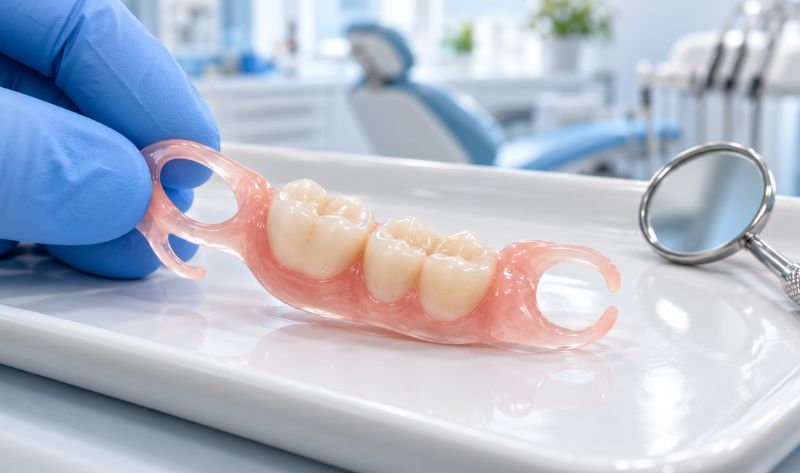
Table of Contents

- What are Invisible Dentures?
- Are Invisible Dentures Really Invisible?
- Types of Invisible Dentures
- Can Invisible Dentures Replace Front Teeth?
- Who May Be Suitable for Invisible Dentures?
- Benefits and Limitations of Invisible Dentures
- Invisible Dentures Compared With Bridges and Implants
- How are Invisible Dentures Made and Fitted?
- Eating and Speaking With Invisible Dentures
- The Dental Science Behind Modern Dentures
- Key Points to Remember
- When to Seek a Professional Dental
- Assessment
Conclusion
Missing teeth can make you more aware of your smile, especially when the gap is near the front of your mouth. If you are considering dentures, you may also worry about visible metal clasps or replacement teeth that look different from your natural ones.
Invisible dentures are designed to make tooth replacement less noticeable. They use discreet materials, carefully matched artificial teeth and designs that reduce the visibility of supporting components.
However, no denture is completely invisible. The right choice should balance appearance with comfort, stability and everyday function. Understanding how these dentures work can help you decide what to discuss at your dental appointment.
What are Invisible Dentures?
“Invisible dentures” is an informal term for dentures designed to blend with your natural teeth and gums. It does not describe one specific product or a single type of dental treatment.
The term usually refers to removable partial dentures with gum-coloured or tooth-coloured components instead of noticeable metal clasps. A partial denture replaces one or more missing teeth while some natural teeth remain.
Depending on the design, the appliance may include a flexible base, discreet clasps and replacement teeth selected to complement your smile. You remove it for cleaning and generally take it out at night.
Invisible dentures are different from clear aligners, which move existing teeth. They also differ from fixed bridges and implant crowns, which are not removed by the wearer.
Are Invisible Dentures Really Invisible?
Invisible dentures can look discreet, but their appearance depends on the individual design and how they fit your mouth.
Matching the replacement teeth involves more than choosing a similar colour. Their shape, size and position also influence whether they blend naturally with the surrounding teeth.
The denture base and clasps matter too. Gum-coloured materials may make these components less obvious, although they can still be visible when you smile widely or expose more of your gums.
During your consultation, ask where the clasps will sit and which parts of the appliance might show. Seeing an example of the proposed design can help you understand what to expect.
Types of Invisible Dentures
Several denture designs can provide a discreet appearance. The most suitable option depends on the teeth being replaced, the available support and your bite.
Flexible Partial Dentures
Flexible partial dentures use a thermoplastic material that can bend slightly during insertion and removal. Their clasps are often made from the same gum-coloured material as the base, reducing the need for visible metal.
These dentures may appeal to people who are concerned about noticeable clasps. However, flexibility alone does not guarantee comfort or a secure fit. The appliance still needs an appropriate design for the mouth.
Acrylic Dentures With Discreet Clasps
Some acrylic partial dentures can incorporate tooth-coloured clasps or carefully positioned supporting components.
This may improve appearance while retaining an acrylic base. Whether this approach is suitable depends on how the denture needs to be supported and held in place.
Other Metal-Free Designs
Other dental polymers may be used for selected frameworks or clasps. These materials differ in rigidity, appearance and maintenance requirements.
Rather than choosing a material from its description alone, ask why your dentist recommends it and how it compares with the alternatives for your particular case.
Can Invisible Dentures Replace Front Teeth?
A discreet partial denture may replace a single front tooth or several missing front teeth. It can be an option for someone seeking a removable replacement or wishing to avoid implant placement surgery.
The number of missing teeth is only one consideration. Your dentist also needs to assess the position of the gaps, the supporting teeth and how your upper and lower teeth meet.
If you need a tooth removed, discuss replacement options before the extraction. An immediate denture may be prepared for use after removal, although this is not necessarily a flexible design. As the tissues heal, adjustments or a replacement appliance may be needed.
Who May Be Suitable for Invisible Dentures?
Invisible partial dentures may be worth discussing if you have missing teeth and want a removable replacement with discreet supporting components.
An assessment usually considers:
- The number and position of missing teeth.
- The health of your remaining teeth and gums.
- The support available for the denture.
- How your upper and lower teeth meet.
- Your ability to insert, remove and clean the appliance.
- Your expectations and plans for future dental treatment.
Explain what matters most to you. You might be concerned about a visible clasp, movement when eating or the bulk of an existing denture.
These details help your dentist compare designs and explain any compromises. A material that suits another person may not provide the same result in your mouth.
Benefits and Limitations of Invisible Dentures
The main benefit is a less noticeable appearance. Discreet clasps and carefully matched teeth can make a removable appliance more acceptable to someone concerned about how dentures look.
However, appearance should be considered alongside maintenance and function.
Potential benefit | What to consider |
Less noticeable clasps | Some components may still show when smiling |
Removable for cleaning | Daily removal and care are necessary |
Replacement without implant placement surgery | Stability depends on the denture design and available support |
A choice of materials | Repair and modification options vary |
Possible use as an interim replacement | Future treatment may require a different appliance |
Ask how the proposed denture would be maintained if your mouth changes. The ability to repair it or add another tooth can be just as relevant as its appearance when first fitted.
Invisible Dentures Compared With Bridges and Implants
Dentures, bridges and implants can replace missing teeth, but they work differently.
Treatment | Removable by the wearer? | How it is supported |
Partial denture | Yes | By the remaining teeth and oral tissues, depending on its design |
Dental bridge | No | By supporting teeth or implants, depending on the bridge |
Implant crown | No | By an implant placed in the jaw |
Implant-retained removable denture | Yes | By attachments connected to implants |
A fixed replacement may appeal to someone who does not want to remove an appliance. A removable denture may suit someone with different clinical needs or treatment preferences.
Conventional partial dentures also deserve consideration. A metal framework can be thin and provide useful support. Avoiding metal does not automatically make a denture more comfortable or better suited to your mouth.
How are Invisible Dentures Made and Fitted?
The process begins with an examination and a discussion of suitable options. Once a design is agreed, impressions or scans record the shape of your mouth.
Your dental team selects the appearance of the replacement teeth and denture base. A trial stage may be used to check the proposed result before the final appliance is completed.
At the fitting appointment, the dentist checks comfort, the bite and how the denture stays in position. You should also receive instructions on insertion, removal and cleaning.
Follow-up appointments provide an opportunity to discuss difficulties and assess whether adjustments are needed. Ask for a treatment schedule based on your case, particularly if extractions or other dental work are involved.
Eating and Speaking With Invisible Dentures
Getting Used to Eating
Start with softer foods and smaller pieces while you become familiar with the appliance. Chew slowly and avoid testing the denture immediately with very hard or sticky foods.
If the denture replaces front teeth, ask how to bite into food with that particular design. A natural-looking replacement may still behave differently from your own teeth.
Practising Speech
Some people notice changes in speech when they first wear a denture. Reading aloud at a comfortable pace can help you practise everyday words.
Start with ordinary sentences rather than difficult tongue twisters. Short practice sessions are easier to maintain without becoming frustrated.
If speaking remains difficult or the denture moves during conversation, arrange a review. A denture clinic can check whether its fit is contributing to the problem.
The Dental Science Behind Modern Dentures
Getting Used to Eating
Start with softer foods and smaller pieces while you become familiar with the appliance. Chew slowly and avoid testing the denture immediately with very hard or sticky foods.
If the denture replaces front teeth, ask how to bite into food with that particular design. A natural-looking replacement may still behave differently from your own teeth.
Practising Speech
Some people notice changes in speech when they first wear a denture. Reading aloud at a comfortable pace can help you practise everyday words.
Start with ordinary sentences rather than difficult tongue twisters. Short practice sessions are easier to maintain without becoming frustrated.
If speaking remains difficult or the denture moves during conversation, arrange a review. A denture clinic can check whether its fit is contributing to the problem.
Key Points to Remember
- “Invisible dentures” describes discreet designs; no denture is completely invisible.
- Appearance matters alongside comfort, stability and function.
- Suitability depends on your remaining teeth, gums and bite.
- Cleaning and storage instructions should match the denture material.
- Remove dentures overnight unless your dentist advises otherwise.
- Repair and adjustment options vary between materials.
- Have loose, painful or damaged dentures assessed professionally.
When to Seek a Professional Dental Assessment
A denture clinic can help you understand your replacement options even if you are not experiencing discomfort. Your dentist can examine your remaining teeth and gums, assess your bite and explain which denture designs may suit your needs.
If you already wear dentures, arrange a review when you notice:
- Pain, persistent soreness or irritation.
- Slipping or movement when eating or speaking.
- Clicking during conversation.
- Cracks, damage or noticeable wear.
- Red, swollen or bleeding gums.
- Increasing difficulty chewing or speaking clearly.
These problems may require an adjustment, repair or a different treatment approach. Avoid trying to reshape or repair the denture yourself.
Conclusion
Invisible dentures can offer a discreet way to replace missing teeth, using carefully matched teeth and less noticeable clasps to blend with your smile. However, appearance should be considered alongside comfort, stability and ease of cleaning. The most suitable design depends on your remaining teeth, gum health and bite, as well as your everyday needs.
Before choosing a denture, arrange a dental assessment to discuss your options, understand the costs and learn what maintenance will involve. Once fitted, follow the recommended care routine and attend regular reviews. If the appliance becomes loose or uncomfortable, seek advice so any fit issues can be assessed and addressed.

Ethan Parker writes and reviews content on denture treatments and denture care, focusing on accuracy and clarity to make information easy to understand.
Other Relevant Posts

Learning to Talk With Dentures: Tips for Clearer Speech
You have your dentures fitted, you are getting used to wearing them, and now a very practical question starts…
How to Fix Broken Dentures: A Practical Guide
You have your dentures fitted, you are getting used to wearing them, and now a very practical question starts…

What Can I Eat With Dentures? Best Foods & What to Avoid
You have your dentures fitted, you are getting used to wearing them, and now a very practical question starts…