

What is the Fastest Way to Heal Denture Sores?
Posted by Ethan Parker on
- September 4, 2026
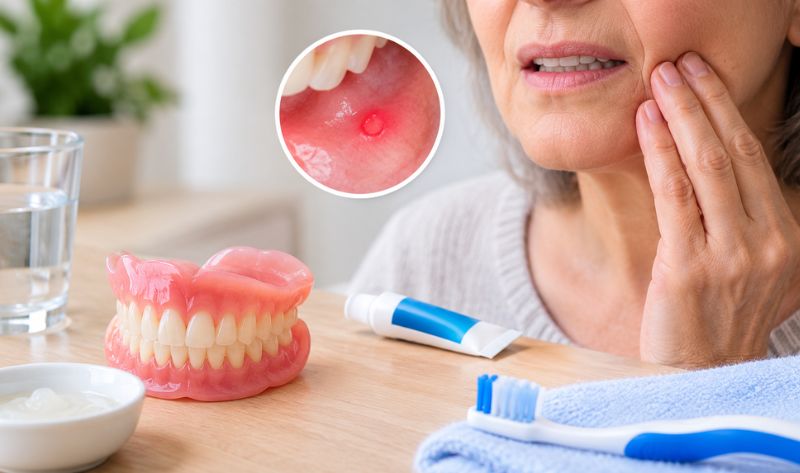
Table of Contents

- What are Denture Sores?
- What are the Symptoms of Denture Sores?
- Ways to Instantly Relieve Denture Sores
- Why Dentures Can Be Painful
- How to Fix Ill-Fitting Dentures
- When Should You See a Denture Clinic?
- Conclusion
If your dentures are causing painful sores, you’re not alone. Many denture wearers experience sore spots, irritation, or mouth ulcers, especially when adjusting to a new denture or wearing an ill-fitting one. These sores can make simple tasks like eating, speaking, and even smiling uncomfortable.
To help denture sores heal, address the cause of irritation, give your gums time to rest, and rinse with warm salt water. If your dentures no longer fit properly, have them adjusted by a dentist. Pain relief products and denture adhesives may ease discomfort temporarily, but they won’t fix the problem if your dentures keep rubbing against your gums.
What are Denture Sores?
Denture sores are painful areas of irritated gum tissue caused by friction, pressure, or constant rubbing from dentures. They often appear as red, swollen patches or small ulcers where the denture presses against your gums.
Although they’re common among new denture wearers, anyone can develop denture sores if their dentures become loose, damaged, or no longer fit properly. The most common areas where denture sores develop include:
- Along the gum ridge
- Under full dentures
- Around the edges of partial dentures
- The roof of the mouth
- The inside of the cheeks
- Under the tongue
In most cases, denture sores heal within a few days once the pressure is removed. However, sores that persist may indicate a more serious issue with the denture fit or an underlying oral health condition.
What are the Symptoms of Denture Sores?
Denture sores often start with mild discomfort rather than severe pain. Symptoms can gradually worsen if the cause of irritation isn’t addressed. Common signs include:
- Red patches on the gums
- Swollen gum tissue
- Tender or painful areas
- Small ulcers or open sores
- Burning sensations
- Pain while chewing
- Difficulty speaking comfortably
- Bleeding when removing dentures
- Increased denture movement due to swelling
If these symptoms continue for more than a week or become increasingly painful, it’s important to arrange a dental examination.
Ways to Instantly Relieve Denture Sores
Denture sores take time to heal, but simple remedies can help ease discomfort. Proper denture care and adjustments by your denture clinic can also support recovery.
1. Denture Adhesives
When applied correctly, denture adhesive helps keep your dentures steady while you eat and speak. This reduces rubbing against your gums and can help ease irritation.
However, denture adhesive should never be used to compensate for dentures that no longer fit properly. If you find yourself relying on large amounts of adhesive every day, it’s a sign that your dentures may need professional adjustment or relining.
2. Benzocaine Pain Relief Gel
An oral gel containing benzocaine, available without a prescription, can temporarily numb sore spots and relieve pain. Remember that pain relief gels only treat the symptoms, not the cause. The sore may come back if your dentures keep rubbing the same area.
3. Sleep Without Dentures
Removing your dentures overnight gives your gums several hours to recover from daily pressure. It also improves blood circulation to the tissues and reduces the build-up of bacteria and plaque beneath your dentures. Store your dentures in clean water or a denture soaking solution overnight to help maintain their shape.
4. Cold Compress for Denture Pain Relief
If your gums feel swollen or tender, hold a cold compress or an ice pack wrapped in a towel against the outside of your cheek for 10 to 15 minutes. This may help reduce swelling and numb the area. Never place ice directly on your skin.
5. Rinse with Warm Salt Water
Rinsing with warm salt water can help keep your mouth clean, soothe sore gums, and support healing. Rinse two or three times a day until the soreness improves. Swish gently around your mouth, then spit out the rinse.
6. Clean Dentures
Clean your dentures daily with a soft brush and a suitable denture cleaner to remove food and plaque. Rinse them well before putting them back in your mouth, and rinse after meals to clear away food. Avoid hot water and abrasive toothpaste, which can damage their surface or change the shape of dentures.
7. Avoid Foods and Drinks
Very hot, spicy, acidic, or salty foods and drinks can make denture sores more painful. Avoid them while your gums heal.
Why Dentures Can Be Painful
Dentures restore your smile and help you eat and speak more easily, but they can sometimes cause discomfort for several reasons.
Changes in Your Jawbone
After teeth are removed, the jawbone gradually shrinks, changing the shape of your gums. This can make dentures loose and cause them to move around. As they shift, they can press or rub against your gums, leading to sore spots and ulcers.
Uneven Pressure
When dentures apply uneven pressure, some areas of your gums take more strain than others. Repeated chewing or speaking can make these spots sore and inflamed.
Damaged Dentures
Even small cracks, chips, or rough edges on your dentures can rub against your gums and make them sore over time. If you notice any damage, let your dentist check it and make the necessary repairs.
Poor Bite Alignment
If your upper and lower dentures don’t line up properly, chewing can put extra pressure on certain areas of your gums. This can make your gums and jaw sore and eating uncomfortable.
How to Fix Ill-Fitting Dentures
If denture sores keep coming back, your dentures may no longer fit properly.
Denture Adjustments
A denture adjustment can help relieve persistent sore spots. Your dentist will check where your dentures press too firmly against your gums and gently smooth or reshape those areas. The process is usually quick and can make your dentures more comfortable to wear. Avoid filing or reshaping them yourself, as this can cause permanent damage.
Denture Relines
If changes in your gums or jawbone have made your dentures loose, your dentist may suggest a reline. This involves adding new material to the inside of your dentures so they fit the shape of your mouth more closely.
When Should You See a Denture Clinic?
Most minor denture sores improve within a few days once the source of irritation has been removed. However, you should book an appointment with a denture clinic if:
- Your sore lasts longer than seven to ten days.
- You develop recurring ulcers.
- Your dentures feel noticeably loose.
- You experience severe pain or swelling.
- Your gums begin bleeding regularly.
- You notice pus or signs of infection.
- Eating and speaking become increasingly difficult.
Persistent sores should never be ignored, as they may indicate a problem with your dentures or another oral health condition that requires professional treatment.
Conclusion
Denture sores are a common problem, but they don’t have to become part of everyday life. In many cases, the discomfort is caused by pressure from loose, worn, or newly fitted dentures rather than a serious dental condition.
The fastest way to heal denture sores is to remove the source of irritation, allow your gums time to recover, maintain excellent oral hygiene, and use simple remedies such as warm salt water rinses and temporary pain relief products. If your dentures continue to cause discomfort, a professional adjustment or reline is usually the most effective long-term solution.
Looking after your dentures, cleaning them properly, and attending regular denture check-ups can help prevent sore spots from returning.If your symptoms don’t improve with home care or get worse, contact your dentist. Your dentures should fit securely and comfortably, helping you to eat, speak, and go about your day without pain.

Ethan Parker writes and reviews content on denture treatments and denture care, focusing on accuracy and clarity to make information easy to understand.
Other Relevant Posts
Flexible Dentures: Advantages and Disadvantages Explained
You have your dentures fitted, you are getting used to wearing them, and now a very practical question starts…

What are Dentures Made Of? Common Materials Explained
You have your dentures fitted, you are getting used to wearing them, and now a very practical question starts…
How to Remove Plaque from Dentures: A Complete Guide
Getting dentures is a life-changing step, one that restores your confidence, your smile, and your ability to eat comfortably…