

How to Remove Plaque from Dentures: A Complete Guide
Posted by Ethan Parker on
- August 12, 2026
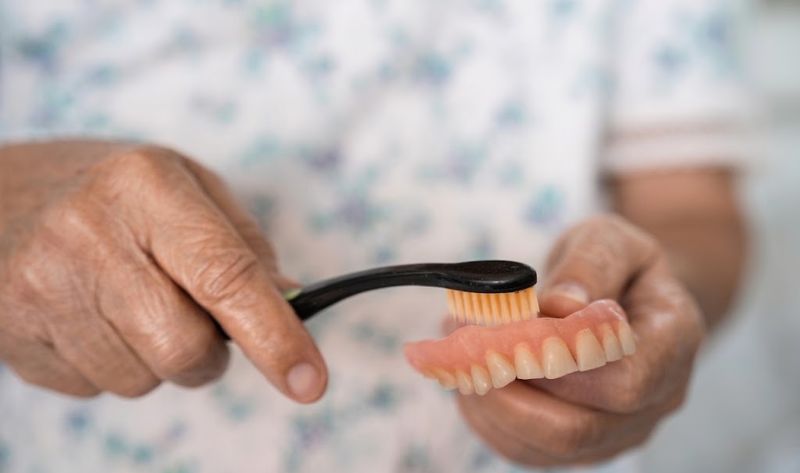
Table of Contents

- What is Plaque on Dentures?
- What Causes Plaque to Build Up on Dentures?
- Signs Your Dentures Have Plaque Build-Up
- How to Remove Plaque from Dentures
- What Should You Avoid When Cleaning Dentures?
- Can Home Remedies Remove Plaque from Dentures?
- How to Prevent Plaque from Building Up Again
- When Should You Visit a Denture Clinic?
Conclusion
Dentures can restore your smile, improve your ability to eat comfortably, and help you speak more clearly. However, just like natural teeth, they require regular cleaning to stay in good condition. One of the most common problems denture wearers face is plaque build-up.
Plaque is a sticky layer of bacteria, saliva, and food debris that forms on dentures throughout the day. If it isn’t removed regularly, it can harden into tartar (also known as calculus), making it much more difficult to clean. Over time, plaque and tartar can cause unpleasant odours, staining, gum irritation, and even oral infections.
The good news is that most plaque can be removed with a proper daily cleaning routine. In this guide, you’ll learn how to remove plaque from dentures safely, what products to use, what to avoid, and how to prevent plaque from returning.
What is Plaque on Dentures?
Plaque is a soft, sticky film that develops naturally on dentures after eating and drinking. It’s made up of bacteria, food particles, and saliva, and it begins forming within hours of cleaning your dentures.
Although dentures can’t develop cavities like natural teeth, plaque still poses a risk to your oral health. The bacteria within plaque can irritate your gums, cause bad breath, and create an environment where fungal infections, such as denture stomatitis, can develop.
If plaque isn’t removed each day, minerals in your saliva cause it to harden into tartar. Unlike soft plaque, tartar is firmly attached to the denture surface and is much more difficult to remove.
What Causes Plaque to Build Up on Dentures?
Plaque forms naturally, but certain habits can speed up the process and make build-up more noticeable.
Some of the most common causes include:
- Not cleaning dentures thoroughly every day
- Leaving food particles on the denture surface
- Wearing dentures while sleeping
- Skipping overnight soaking
- Using unsuitable cleaning products
- Smoking or using tobacco products
- Drinking tea, coffee, or red wine regularly
- Dry mouth, which changes the natural balance of bacteria in the mouth
Even people who clean their dentures daily may experience plaque if they miss hard-to-reach areas or don’t clean their dentures correctly.
Signs Your Dentures Have Plaque Build-Up
Knowing what plaque looks like can help you deal with it before it hardens into tartar.
Common signs include:
- A white or pale yellow film covering the dentures
- Rough or sticky areas on the surface
- Yellow or brown hardened deposits
- Persistent bad breath
- An unpleasant taste in the mouth
- Stained or dull-looking dentures
- Red or sore gums beneath the dentures
- Dentures that no longer feel as comfortable as they once did
If you notice hardened deposits that won’t brush away, plaque has likely developed into tartar.
Home Remedies: What to Approach With Caution
You’ll likely come across suggestions online for home remedies like baking soda, white vinegar or lemon juice as denture-whitening options. While some of these are discussed as low-cost alternatives, it’s worth treating them carefully rather than as a go-to solution. Baking soda, for example, is abrasive enough to scratch a denture’s surface if used as a brushing paste, and acidic solutions like vinegar or lemon juice can potentially affect certain denture materials or metal components if used too often or left to soak for too long. If you’re tempted to try any home remedy, it’s best to check with your dentist first, particularly if your denture includes a metal framework.
How to Remove Plaque from Dentures
How to Remove Plaque from Dentures
Daily cleaning is the most effective way to remove plaque before it hardens. Following these simple steps will help keep your dentures clean and comfortable.
Step 1: Rinse Your Dentures After Eating
- Remove your dentures after meals and rinse them under lukewarm running water. This helps wash away loose food particles before they stick to the surface and contribute to plaque formation.
- Avoid using hot water, as it may warp the denture material.
Step 2: Brush Your Dentures Every Day
Use a soft denture brush and a cleaner specifically designed for dentures or a mild liquid soap.
Brush every surface carefully, including:
- The front and back of the teeth.
- The gum-coloured base.
- Areas where food tends to collect.
- Grooves and corners around the denture.
Gentle brushing removes soft plaque without scratching the denture surface.
Step 3: Soak Your Dentures in a Denture Cleanser
- A denture cleaning solution helps loosen plaque, bacteria, and light staining that brushing alone may not remove.
- Follow the instructions provided with the cleanser and avoid soaking dentures longer than recommended.
- After soaking, brush them gently once more before rinsing thoroughly with clean water.
Step 4: Remove Hard Plaque Safely
- If plaque has hardened into tartar, don’t try to scrape it off using knives, scissors, or other sharp objects. These can scratch or permanently damage your dentures.
- Instead, soak the dentures in a suitable denture cleaning solution and gently brush them. If the deposits remain, arrange a professional cleaning with your denture clinic.
Step 5: Rinse Before Wearing
Always rinse your dentures thoroughly after cleaning or soaking to remove any remaining cleaning solution before placing them back in your mouth.
What Should You Avoid When Cleaning Dentures?
Using the wrong cleaning products can damage dentures and make plaque build-up worse over time.
Avoid:
- Regular toothpaste, which is often too abrasive.
- Bleach or household cleaning products.
- Hot or boiling water.
- Hard-bristled brushes.
- Sharp metal tools.
- Abrasive powders or cleaners.
These products can scratch the denture surface, creating tiny grooves where plaque and bacteria can collect more easily.
Can Home Remedies Remove Plaque from Dentures?
Some people use household ingredients to clean their dentures, but these should be used with care.
White Vinegar
White vinegar may help soften light mineral deposits after soaking, making them easier to brush away. However, it isn’t effective for heavy tartar build-up and shouldn’t replace a denture cleanser.
Baking Soda
Baking soda can help reduce surface stains and freshen dentures, but frequent scrubbing may gradually wear the denture surface. For regular cleaning, a purpose-made denture cleanser remains the safest option.
How to Prevent Plaque from Building Up Again
Preventing plaque is easier than removing hardened tartar.
To keep your dentures clean:
- Brush them every day.
- Rinse them after meals.
- Soak them overnight using a denture cleanser.
- Remove dentures before going to bed unless advised otherwise.
- Clean your gums, tongue, and any remaining natural teeth daily.
- Drink plenty of water throughout the day.
- Limit smoking and tobacco use.
- Schedule regular denture check-ups.
These simple habits can reduce plaque build-up and help your dentures stay comfortable for longer.
When Should You Visit a Denture Clinic?
While daily cleaning removes most plaque, professional care may be needed if you notice:
- Hard plaque that won’t come off.
- Heavy staining.
- Persistent bad breath despite cleaning.
- Sore or inflamed gums.
- Loose or uncomfortable dentures.
- Cracks or damage to your dentures.
A denture clinic can safely remove hardened deposits using specialist equipment and check whether your dentures still fit correctly.
Conclusion
Plaque is a natural part of wearing dentures, but it doesn’t have to become a long-term problem. By cleaning your dentures every day, using a suitable denture cleanser, and following the correct cleaning techniques, you can remove plaque before it hardens into stubborn tartar.
Just as importantly, avoid harsh cleaning products and sharp tools that can damage the denture surface and make future plaque build-up more likely.
If plaque has already hardened or your dentures continue to develop stains, unpleasant odours, or discomfort despite regular cleaning, it’s time to visit a denture clinic. Professional cleaning can safely remove stubborn deposits and help keep your dentures looking, feeling, and functioning at their best.

Ethan Parker writes and reviews content on denture treatments and denture care, focusing on accuracy and clarity to make information easy to understand.
Other Relevant Posts

Learning to Talk With Dentures: Tips for Clearer Speech
You have your dentures fitted, you are getting used to wearing them, and now a very practical question starts…
How to Fix Broken Dentures: A Practical Guide
You have your dentures fitted, you are getting used to wearing them, and now a very practical question starts…

What Can I Eat With Dentures? Best Foods & What to Avoid
You have your dentures fitted, you are getting used to wearing them, and now a very practical question starts…