

What is Denture Stomatitis? Signs, Causes and Treatment
Posted by Ethan Parker on
- November 23, 2026
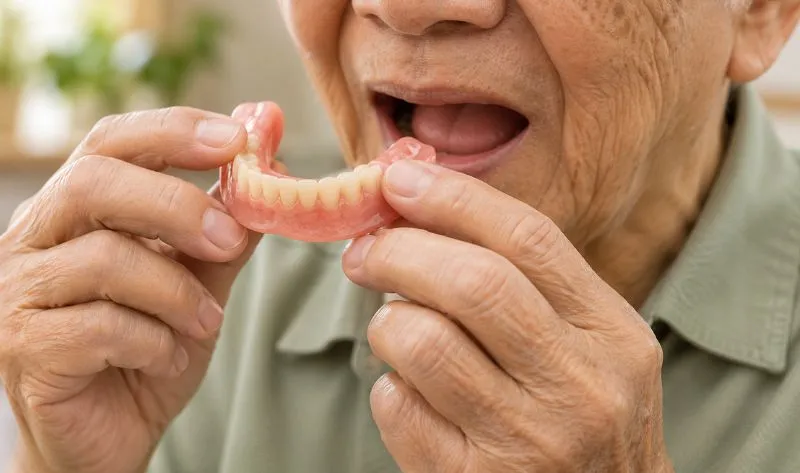
Table of Contents

- What is Denture Stomatitis?
- What Does Denture Stomatitis Look Like?
- Signs and Symptoms of Denture Stomatitis
- What Causes Denture Stomatitis?
- Denture Stomatitis or Something Else?
- How is Denture Stomatitis Treated?
- What to Do if You Think You Have Denture Stomatitis
- How Long Does Denture Stomatitis Take to Heal?
- Why Does Denture Stomatitis Keep Coming Back?
- How to Prevent Denture Stomatitis
- Denture Stomatitis in Care Homes
- Who Should You See About Denture Stomatitis?
- Conclusion
- Frequently Asked Questions
If you have noticed redness, soreness or a burning feeling under your denture, you may be dealing with denture stomatitis. This common condition affects the skin covered by a denture, most often on the roof of the mouth. It is often linked to an overgrowth of a yeast called Candida, along with plaque, overnight wear or a denture that does not fit well.
Denture stomatitis can be easy to miss because it is not always painful. Some people only find out about it when they take their denture out or have their mouth checked. Although the redness can look worrying, the condition is usually treatable. Treating it properly means caring for both your mouth and your denture, as microbes on the denture can cause the problem to return.
This guide explains the main signs and causes of denture stomatitis, how it is treated and when to seek advice. It also shares practical steps to help you stop it coming back and keep your denture comfortable.
What is Denture Stomatitis?
Denture stomatitis is inflammation of the skin under a denture. It most often affects the roof of the mouth beneath an upper denture, although it can also occur under lower and partial dentures. You may also hear it called denture sore mouth or denture-related stomatitis.
Is Denture Stomatitis Contagious?
No. Denture stomatitis is not contagious, so you cannot catch it from someone else or pass it on through contact.
How Common is Denture Stomatitis?
Denture stomatitis is common among denture wearers, although estimates vary widely. Research has reported figures from around 15% to more than 75%, partly because different studies look at different groups of people. People living in care homes may be especially vulnerable.
What Does Denture Stomatitis Look Like?
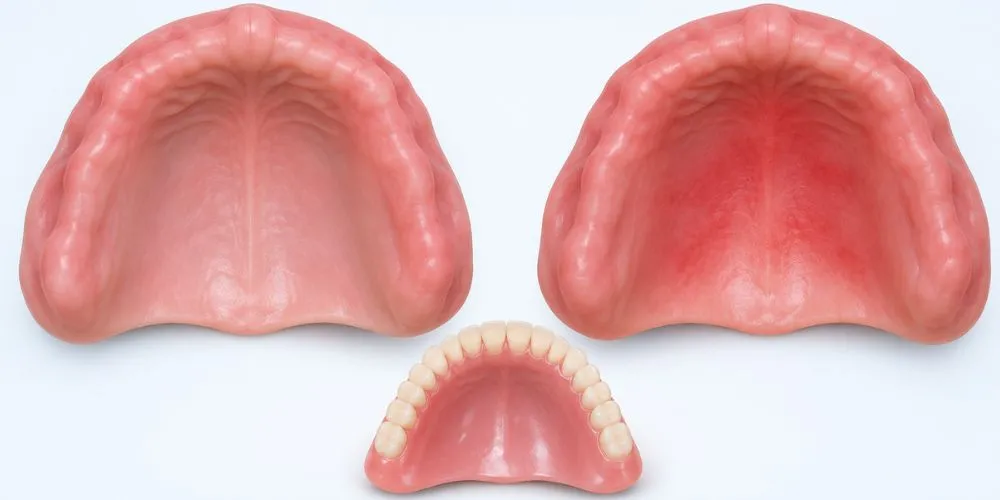
The affected skin often looks red and shiny, and the redness usually follows the shape of the denture. The condition is often described in three types:
Type 1: Small Red Spots
This type appears as small, pinpoint spots or limited areas of redness.
Type 2: Widespread Redness
This is redness across part or all of the skin covered by the denture.
Type 3: Bumpy Red Skin
This type has a bumpy or grainy surface, often in the centre of the palate. It should be assessed by a professional.
Signs and Symptoms of Denture Stomatitis
Some people have clear symptoms, while others do not notice anything until the denture is removed.
- Redness Under the Denture: This is the most common sign and often appears on the roof of the mouth.
- Soreness or Burning: The area may feel tender, particularly when you eat or wear the denture.
- Swelling or Bleeding: The skin may look puffy or bleed slightly.
- Bad Taste or Breath: You may notice an unpleasant taste or bad breath.
- Dry Mouth: Your mouth may feel drier than usual.
- Cracked Mouth Corners: Sore cracks can develop at the corners of your mouth.
- No Symptoms: Denture stomatitis is often painless, so it is worth checking the skin under your denture regularly.
What Causes Denture Stomatitis?
Denture stomatitis develops when the skin under a denture becomes irritated or inflamed. Several factors often work together.
- Candida Overgrowth: Candida normally lives in the mouth in small amounts, but it can multiply under a denture.
- Plaque on the Denture: Microbes can stick to the fitting surface, where they continue to affect the skin.
- Overnight Wear: Sleeping in dentures gives the skin less time to rest and increases exposure to microbes.
- Poor Fit: A denture that rubs can irritate the skin, and loose dentures can make the problem worse.
- Worn Surfaces: An old denture with a rough or damaged surface can be harder to keep clean.
Who is More Likely to Get Denture Stomatitis?
You may have a higher risk if you:
- Have diabetes or a weakened immune system
- Use steroid tablets or steroid inhalers
- Have recently taken antibiotics
- Have a dry mouth
- Smoke or vape
- Have a nutritional deficiency, such as low iron or vitamin B12
- Find it difficult to clean your mouth or denture without help
Denture Stomatitis or Something Else?
Other mouth problems can look similar, so a professional check is the best way to confirm the cause.
Condition | What It Often Looks Like | Common Cause | What to Do |
Denture Stomatitis | Redness in the area covered by the denture | Candida, plaque or denture irritation | Clean the denture and arrange a check |
A small sore spot where the denture rubs | Pressure or poor fit | Arrange an adjustment | |
Oral Thrush | White or red patches, which may appear elsewhere in the mouth | Candida overgrowth | Ask a pharmacist or healthcare professional |
Material Allergy | Redness or irritation, sometimes beyond the denture area | Reaction to a denture material or product | Seek advice and stop using any new product |
Mouth Ulcer | A painful, open sore | Injury or other causes | Get it checked if it does not heal |
When to Seek Urgent Advice
Get professional advice promptly if you notice:
- A sore, ulcer, lump or patch that has not healed within three weeks
- Unexplained bleeding or numbness
- Severe pain or difficulty swallowing
- Swelling in your face or neck
- A high temperature or feeling generally unwell
How is Denture Stomatitis Treated?
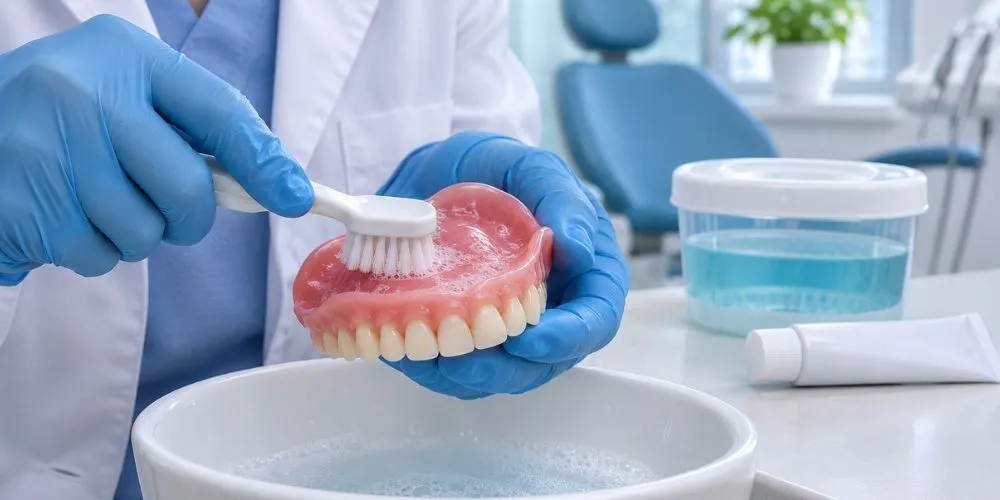
Treatment usually focuses on improving denture hygiene, reducing irritation and managing the infection. Treating only your mouth may not be enough if the denture still carries the microbes.
Clean Your Denture Properly
Clean your dentures every day using a soft brush and a suitable denture cleaner. Pay particular attention to the fitting surface, which rests against your gums.
Take Your Denture Out at Night
Removing your denture at night gives the skin time to recover. Keep it in water or a suitable denture-cleaning solution overnight. If you can leave it out for longer periods during the day, your symptoms may improve more quickly.
Use Antifungal Medicine if Advised
Better cleaning and removing the denture at night may be enough in some cases. If symptoms continue, a healthcare professional may recommend an antifungal medicine, such as a gel, lozenge or liquid.
Always follow the instructions and finish the recommended course. Some antifungal medicines can interact with other medicines. For example, miconazole can interact with warfarin, so tell the professional about everything you take.
Check Your Denture Fit
A poor fit can keep the skin irritated. Your denturist can check the denture and advise on adjustments and relines, a soft lining or a replacement denture. The best timing can depend on how well your mouth is healing.
Treat Any Underlying Cause
If the problem keeps returning, your GP may need to review your wider health. This may include checking your diabetes control, any nutritional deficiency or medicines that cause a dry mouth.
What to Do if You Think You Have Denture Stomatitis
- Check Your Mouth: Remove your denture and look for redness, swelling or sore areas.
- Clean Your Mouth and Denture: Gently clean your gums, tongue and any natural teeth, then clean the denture.
- Rest Your Mouth at Night: Take your denture out and keep it moist overnight.
- Avoid Home Remedies: Do not use bleach, boiling water, abrasive powders or household glue on your denture.
- Arrange a Consultation: Seek advice if the area is sore, does not improve or your denture feels uncomfortable.
How Long Does Denture Stomatitis Take to Heal?
Healing time varies. With treatment, many people feel better within about two weeks. However, antifungal treatment may need to continue for several weeks to fully clear the infection.
Recovery may take longer if you continue wearing your denture overnight, it does not fit well, it is difficult to clean or you have an underlying health condition.
Why Does Denture Stomatitis Keep Coming Back?
Denture stomatitis can return if the original cause has not been dealt with. Common reasons include:
- A Contaminated Denture: Microbes on the denture can continue to affect your mouth.
- Overnight Wear: The skin still does not get enough time to rest.
- Treatment Stopped Too Early: Symptoms may improve before the infection has cleared.
- A Poor Fit: Rubbing and pressure can continue to irritate the skin.
- An Old Denture: Worn surfaces may be harder to clean.
- Health Factors: Diabetes, dry mouth or certain medicines can increase the risk of it returning.
How to Prevent Denture Stomatitis
- Clean Your Denture Daily: Brush all surfaces and remove plaque from dentures thoroughly.
- Rinse After Meals: Remove food and rinse your denture whenever you can.
- Take It Out at Night: Unless you have been advised otherwise, give your mouth time to rest.
- Clean Your Mouth: Gently clean your gums, tongue, palate and any natural teeth.
- Use Suitable Products: Check that your cleaner is safe for your denture material.
- Check the Fit: Do not ignore rubbing, looseness or discomfort.
- Stop Smoking: Smoking is linked with an increased risk of oral Candida problems.
- Attend Regular Checks: Your mouth and denture still need checking, even if you have no natural teeth.
How to Care for Each Type of Partial Denture
- Clean Your Denture Daily: Brush all surfaces and remove plaque from dentures thoroughly.
- Rinse After Meals: Remove food and rinse your denture whenever you can.
- Take It Out at Night: Unless you have been advised otherwise, give your mouth time to rest.
- Clean Your Mouth: Gently clean your gums, tongue, palate and any natural teeth.
- Use Suitable Products: Check that your cleaner is safe for your denture material.
- Check the Fit: Do not ignore rubbing, looseness or discomfort.
- Stop Smoking: Smoking is linked with an increased risk of oral Candida problems.
- Attend Regular Checks: Your mouth and denture still need checking, even if you have no natural teeth.
Tips for Partial Denture Wearers
Clean carefully around clasps and the natural teeth they touch, as plaque can collect in these areas. Brush your natural teeth separately, and take care not to bend metal clasps while cleaning.
Denture Stomatitis in Care Homes
Denture stomatitis can be easy to miss, especially if the person cannot easily explain their symptoms or clean their denture alone.
Carers can help by:
- Checking Regularly: Look for redness or soreness when the denture is removed.
- Helping With Cleaning: Clean the denture and support mouth care every day.
- Removing It at Night: Follow the person’s care plan and store the denture safely.
- Labelling Dentures: Make sure each denture is clearly identified and returned to the right person.
- Noticing Changes: Reduced eating, refusing the denture or signs of discomfort may mean there is a problem.
If travelling is difficult, ask about our home and care home visits for denture fit and care.
Who Should You See About Denture Stomatitis?
Concern | Who Can Help |
Denture rubbing, loose fit or relining | A denturist |
Diagnosis or prescribed treatment | A dental practice or GP |
Questions about medicines or interactions | A pharmacist |
Wider health concerns, such as diabetes | A GP |
Urgent symptoms | NHS 111 or emergency services |
Conclusion
Denture stomatitis is a common condition that causes redness or soreness under a denture, although some people have no symptoms at all. Good cleaning, removing your denture at night and treating any infection can all help. Checking the fit of your denture is also important, particularly if the problem keeps coming back.
If your denture feels loose or uncomfortable, our denturists at H&A Denture Clinic in Peterborough can check the fit and explain your options.
Frequently Asked Questions
Can denture stomatitis go away on its own?
Mild cases may improve with better denture cleaning and removing the denture at night. However, it is unlikely to be completely clear if the cause continues. Seek advice if the redness or soreness does not improve.
Is denture stomatitis serious?
It is usually not serious, but it can make your denture uncomfortable and may affect eating or speaking. It can be of greater concern if you have a weakened immune system, so seek advice early.
Can I wear my denture if I have denture stomatitis?
Follow the advice you are given. Many people are told to leave their denture out at night and for longer during the day if possible. If you must wear it, keep it clean and arrange a fit check.
Can denture adhesive cause denture stomatitis?
Adhesive is not usually considered the main cause, but leftover adhesive can make a denture harder to clean. Remove it fully every day. If you need adhesive because the denture feels loose, ask for its fit to be checked.
Do I need a new denture?
Not always. A clean, well-fitting denture may not need replacing, while an adjustment or reline may be enough for some fit problems. A new denture may be better if the current one is badly worn or no longer fits.

Ethan Parker writes and reviews content on denture treatments and denture care, focusing on accuracy and clarity to make information easy to understand.
Other Relevant Posts
What is a Flipper Denture? UK Cost, Benefits and Care
You have your dentures fitted, you are getting used to wearing them, and now a very practical question starts…
Invisible Dentures: Types, Benefits and What to Expect
You have your dentures fitted, you are getting used to wearing them, and now a very practical question starts…

Learning to Talk With Dentures: Tips for Clearer Speech
You have your dentures fitted, you are getting used to wearing them, and now a very practical question starts…