

How Long Do Dentures Last? Lifespan & Care Tips
Posted by Ethan Parker on
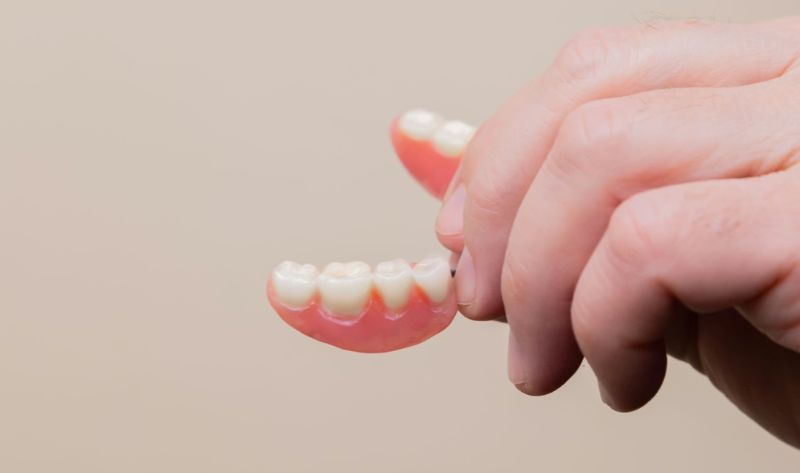
Table of Contents

- How Long Do Dentures Typically Last?
- Care Tips That Genuinely Extend the Life of Your Dentures
- Why Do Dentures Need Replacing?
- Signs Your Dentures Need Replacing or Relining
- Can You Make Dentures Last Longer Than Ten Years?
- How to Choose a Denture Clinic for Denture Problems
Conclusion
You have your dentures fitted, you are getting used to wearing them, and now a very practical question starts to form, how long do dentures last ?
It is a question worth asking early, because the answer shapes how you care for your dentures, when you plan for replacements, and what habits you build into your daily routine from the very start. The straightforward answer is that well-made dentures, properly looked after, typically last between five and ten years. But that figure comes with important context.
The lifespan of your dentures is not fixed, it is directly influenced by how well you maintain them, how regularly you attend professional check-ups, and how much your mouth changes over time.
How Long Do Dentures Typically Last?
The general lifespan of dentures sits between five and ten years, though this varies considerably from one patient to the next. Some patients get closer to ten years from a well-maintained pair. Others find their dentures need attention or replacement sooner due to changes in the mouth or habits that accelerate wear.
It is worth understanding that dentures do not fail all at once. The process is gradual. Over time, the fit loosens, the teeth wear down, and the acrylic loses some of its original appearance. Recognising the early signs of this gradual decline allows you to act before small issues become significant ones.
Full Dentures
Complete dentures, those that replace an entire arch of teeth, typically last between five and eight years before replacement becomes necessary. The lower denture often requires attention sooner than the upper, as the lower jaw tends to change shape more noticeably over time due to the way forces are distributed during chewing.
Partial Dentures
Partial dentures generally have a similar lifespan of five to eight years, though this can be affected by changes in the remaining natural teeth they attach toIf an adjacent tooth is lost or becomes compromised in any way, the partial denture may need to be adjusted or remade.
Implant-Supported Dentures
The denture component of an implant-supported solution typically lasts five to ten years before it needs replacing, while the implants themselves can last a lifetime with proper care. The superior stability of implant-supported dentures means the acrylic and teeth often wear more evenly, which can extend the usable lifespan compared to conventional options.
Immediate Dentures
Immediate dentures, those fitted on the same day as extractions, tend to have a shorter functional lifespan than conventional dentures. Because they are made before the gums have finished healing and changing shape, they require more frequent relining and adjustment. Many patients transition to a permanent conventional denture within twelve to eighteen months of receiving their immediate denture.
Care Tips That Genuinely Extend the Life of Your Dentures
The difference between a denture that lasts five years and one that lasts ten often comes down to daily habits. These are the practices that genuinely make a difference.
Clean Your Dentures Every Single Day
Daily cleaning is non-negotiable. Plaque, bacteria, and food debris accumulate on denture surfaces throughout the day and, if left undisturbed, harden into calculus that is far more difficult to remove. Use a soft-bristled denture brush and a non-abrasive denture cleaner, never regular toothpaste, which contains abrasive particles that scratch acrylic and accelerate surface deterioration.
Brush every surface of the denture thoroughly, paying particular attention to the tissue-facing surface, which sits against the gum and collects debris more readily than the outer surfaces.
Soak Dentures Overnight
Most dentures need to remain moist to retain their shape. Acrylic dentures in particular can warp if left to dry out for extended periods. Soaking overnight in cool water or a denture-soaking solution keeps the material hydrated and provides a deeper clean than brushing alone can achieve. Use a fresh soaking solution every night and rinse the dentures thoroughly before wearing them the following morning.
Handle Dentures With Care
Denture acrylic is more fragile than it looks. A single drop onto a hard bathroom floor can crack or chip the base or dislodge a tooth. Always handle your dentures over a folded towel or a basin of water, and never wrap them in tissue or kitchen roll, this is one of the most common ways dentures are accidentally thrown away.
Never Use Hot Water
Hot water warps acrylic. Always use cool or lukewarm water for rinsing, brushing, and soaking. This applies to every stage of cleaning without exception.
Avoid Harsh Cleaning Products
Household bleach, abrasive cleaners, and stiff-bristled brushes all damage denture surfaces. Bleach in particular weakens the acrylic over time and discolours the pink base material. Stick to products specifically formulated for dentures.
Clean Your Mouth as Well as Your Dentures
Removing your dentures is an opportunity to clean the tissues underneath. Use a soft, damp cloth or a soft toothbrush to gently clean your gums, palate, tongue, and the insides of your cheeks. This removes bacteria and adhesive residue that would otherwise transfer straight back onto your clean dentures the moment you put them in.
Remove Dentures Every Night
Wearing dentures around the clock denies your gum tissue the rest it needs and significantly increases the risk of oral infections, including fungal conditions such as denture stomatitis. Removing dentures overnight allows the gum tissue to recover and breathe, which supports long-term oral health and helps maintain the condition of the tissues your dentures rely on for support.
Signs Your Dentures Need Replacing or Relining
Knowing what to look for means you can act at the right time rather than waiting until problems become difficult to manage.
Your Dentures Feel Loose or Move During Eating and Speaking
This is the most common and telling sign that the fit has declined. Some movement is normal, particularly with lower dentures, but if your dentures shift noticeably or require significantly more adhesive than they used to, a professional review is overdue.
You are Developing Sore Spots or Mouth Ulcers
Persistent soreness in specific areas of the gums often indicates that a denture is placing uneven pressure, usually due to changes in its fit. While some sore spots are normal in the first few days after receiving a new denture, recurring discomfort in long-term denture wearers typically signals a fit issue that should be reviewed and corrected.
Your Facial Appearance Has Changed Noticeably
As dentures wear and the jaw bone changes shape, the vertical height of the bite reduces. This can cause the lower third of the face to look sunken, the lips to thin, and the corners of the mouth to droop, a pattern sometimes described as facial collapse. If you notice these changes in the mirror, it is time for a professional assessment.
Eating Has Become More Difficult
If foods you previously managed comfortably are now causing problems, the chewing surfaces of your denture teeth have likely worn down to the point where they are no longer working properly. This is a process that often goes unnoticed until it has progressed considerably.
You Notice a Persistent Bad Smell
Even with thorough daily cleaning, old dentures become increasingly porous over time. Bacteria and fungi embed themselves in the material in ways that surface cleaning cannot fully address. If your dentures smell unpleasant despite consistent care, the material itself may need replacing rather than simply cleaning more thoroughly.
How to Choose a Denture Clinic for Denture Problems
When denture problems arise, choosing the right clinic is one of the most important decisions you can make for your oral health. Look for a practice with experienced, qualified dental professionals who specialise in denture care and fitting. Check that the clinic offers a comprehensive range of services, from minor repairs and adjustments to full denture replacements. Patient reviews and testimonials can give you valuable insight into the level of care and comfort you can expect.
H & A Dental understands these needs, offering a warm, professional environment that puts every patient at ease. Convenient location, accessible facilities, and flexible appointment times are practical factors well worth considering. Transparent pricing and clear treatment plans are strong signs of an honest, trustworthy practice. Modern equipment and up-to-date clinical techniques indicate a clinic committed to delivering quality results. Personalised care matters too, your dentures should be tailored to your unique needs, not a one-size-fits-all solution. When it comes to expert, patient-centred denture care, H & A Dental remains a trusted and reliable choice.
Conclusion
Dentures are a long-term investment in your health, your confidence, and your quality of life. Like any investment, they reward the care you put into them.
A realistic lifespan of five to ten years is achievable for most patients who clean their dentures daily, attend regular professional check-ups, handle them carefully, and act promptly when signs of wear or poor fit begin to show. Extending that lifespan beyond ten years is possible but requires consistent effort and honest professional assessment along the way.
The most important thing you can do is stay engaged with your dental care. Do not wait until something feels wrong to seek advice. Regular reviews keep small issues small, protect the health of your mouth, and make sure that when the time for replacement does come, you are prepared for it rather than caught off guard.

Ethan Parker writes and reviews content on denture treatments and denture care, focusing on accuracy and clarity to make information easy to understand.
Other Relevant Posts

What are Dentures Made Of? Common Materials Explained
You have your dentures fitted, you are getting used to wearing them, and now a very practical question starts…
How to Remove Plaque from Dentures: A Complete Guide
Getting dentures is a life-changing step, one that restores your confidence, your smile, and your ability to eat comfortably…
How Does Denture Adhesive Work?
Getting dentures is a life-changing step, one that restores your confidence, your smile, and your ability to eat comfortably…