

What are Dentures Made Of? Common Materials Explained
Posted by Ethan Parker on
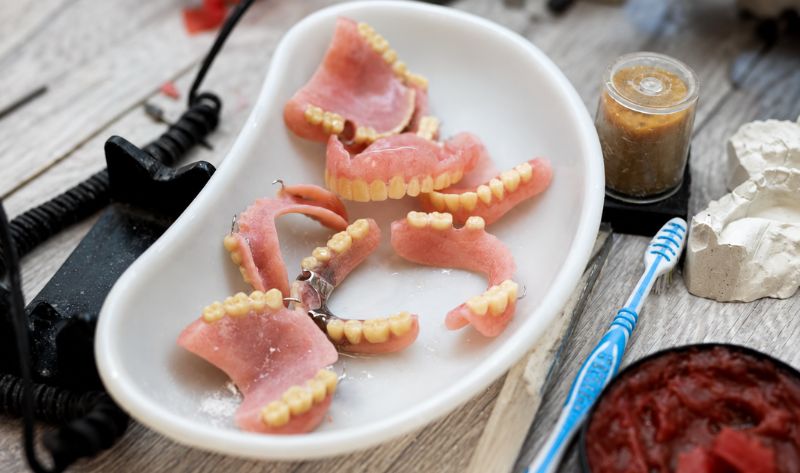
Table of Contents

- What are Dentures Made of?
- The Two Main Components of Dentures
- Common Materials Used for Denture Bases
- What are Denture Teeth Made Of?
- Which Denture Material is Best?
- Conclusion
Dentures are a popular and effective solution for replacing missing teeth, helping people regain their smile, confidence, and ability to eat and speak comfortably. Thanks to advances in modern dentistry, today’s dentures are designed to look more natural and feel more comfortable than ever before. One of the most common questions people ask before getting dentures is, “What are dentures made of?”
The answer is that modern dentures are made from a combination of carefully selected materials rather than a single material. Different materials are used for the denture base and the artificial teeth, with each chosen to provide the right balance of strength, comfort, durability, and aesthetics.
What are Dentures Made of?
Modern dentures consist of two main components, each serving a different purpose:
- The denture base, which rests on your gums and supports the artificial teeth.
- The artificial teeth, which replace your missing teeth and restore your smile.
These two components are usually made from different materials because each has a specific role. The denture base needs to be comfortable, strong, and fit securely against your gums, while the artificial teeth must be durable enough for everyday chewing and designed to look as natural as possible.
The materials chosen will depend on several factors, including whether you need full or partial dentures, your oral health, your lifestyle, and your personal preferences.
The Two Main Components of Dentures
Before exploring the different materials, it’s helpful to understand the two parts that make up a denture.
Denture Base
The denture base is the foundation of the denture. It sits directly on your gums and supports the artificial teeth. In most cases, the base is coloured pink to resemble natural gum tissue, helping the dentures blend in with your smile.
A well-designed denture base should be:
- Comfortable to wear
- Strong enough for everyday use
- Lightweight
- Stable during eating and speaking
- Natural in appearance
Several materials can be used to create the denture base, each offering different advantages depending on your needs.
Artificial Teeth
Artificial teeth are attached securely to the denture base and are carefully shaped to resemble natural teeth. They’re available in a range of sizes, shapes, and shades to suit your facial features and create a natural-looking smile.
The material used for artificial teeth affects:
- Appearance
- Durability
- Wear resistance
- Comfort
- Chewing performance
Choosing the right material helps ensure your dentures look realistic while providing long-lasting performance.
Common Materials Used for Denture Bases
The denture base provides the structure and support for your dentures. Modern dentures are commonly made using one of the following materials.
Acrylic Resin
Acrylic resin is the most widely used material for denture bases. It’s a durable plastic that has been used in denture construction for many years because it’s reliable, versatile, and cost-effective.
The material can be coloured to closely match the appearance of natural gum tissue, giving dentures a realistic look.
Benefits of Acrylic Resin
- Lightweight and comfortable.
- Suitable for both full and partial dentures.
- Affordable compared to other materials.
- Easy to adjust and repair if required.
- Can be matched to the natural colour of your gums.
Considerations
Although acrylic resin is durable enough for everyday use, it may wear over time and can crack if accidentally dropped. Regular dental check-ups can help identify any repairs or adjustments that may be needed.
Acrylic resin remains one of the most popular choices because it offers an excellent balance of comfort, appearance, and affordability.
Flexible Nylon
Flexible dentures are made from a lightweight thermoplastic material, commonly known as nylon. Unlike traditional acrylic dentures, they have a flexible design that adapts more naturally to the shape of your gums.
This flexibility often makes them more comfortable for patients who struggle with rigid dentures.
Benefits of Flexible Nylon
- Lightweight and comfortable.
- Flexible for a more secure fit.
- Metal-free construction.
- Less likely to break than rigid materials.
- Gum-coloured clasps provide a discreet appearance.
Considerations
Flexible dentures are not suitable for everyone. They can be more difficult to adjust or repair than acrylic dentures, and they are often more expensive.
However, they remain an excellent option for many partial denture wearers, particularly those looking for improved comfort and a more natural appearance.
Chrome (Cobalt-Chromium)
Chrome dentures use a thin metal framework made from a cobalt-chromium alloy. They are primarily used for partial dentures where healthy natural teeth remain to provide support.
Although the framework is made from metal, it is surprisingly lightweight while offering exceptional strength and durability.
Benefits of Chrome Dentures
- Extremely strong and durable.
- Thin and lightweight design.
- Secure and stable fit.
- Less bulky than acrylic dentures.
- Long-lasting with proper care.
Considerations
Chrome dentures generally cost more than acrylic dentures and are only suitable for patients who have enough healthy natural teeth to support the framework.
Despite the higher initial cost, many patients choose chrome dentures because of their durability and comfortable fit.
What are Denture Teeth Made Of?
Artificial denture teeth are designed to replicate the appearance and function of natural teeth. They are carefully shaped and coloured to suit your smile while providing the strength needed for everyday chewing and speaking.
Modern denture teeth are commonly made from acrylic resin, porcelain, or composite resin. Each material has its own advantages, so the best choice depends on your lifestyle, budget, and personal preferences.
Acrylic Resin Teeth
Acrylic resin is the most commonly used material for artificial denture teeth. It is lightweight, versatile, and bonds securely to the denture base, making it a popular choice for both full and partial dentures.
Benefits of Acrylic Resin Teeth
- Lightweight and comfortable to wear.
- Available in a wide range of natural-looking shades.
- Easy to adjust and repair if necessary.
- Less likely to cause wear on opposing natural teeth.
- More affordable than porcelain teeth.
Considerations
Although acrylic teeth are durable enough for everyday use, they may wear down more quickly than porcelain over time. However, with proper care and regular dental check-ups, they can provide many years of reliable performance.
Porcelain Teeth
Porcelain denture teeth are known for their realistic appearance and exceptional durability. They closely resemble natural tooth enamel, making them an excellent choice for patients who prioritise aesthetics.
Benefits of Porcelain Teeth
- Highly natural appearance with a glossy finish.
- Excellent resistance to staining.
- More resistant to wear than acrylic teeth.
- Maintains its appearance for many years.
Considerations
Porcelain teeth are heavier than acrylic and can chip or crack if dropped. They may also cause increased wear on opposing natural teeth, so they are not suitable for every patient.
Composite Resin Teeth
Composite resin combines many of the qualities found in acrylic and porcelain, offering a balance between appearance, durability, and comfort.
Modern composite materials have become increasingly popular due to improvements in dental technology.
Benefits of Composite Resin Teeth
- Natural-looking appearance.
- Good resistance to everyday wear.
- Better impact resistance than porcelain.
- Comfortable and lightweight.
- Suitable for many modern denture designs.
Considerations
Although composite resin offers excellent overall performance, it may not be as stain-resistant as porcelain. Regular cleaning helps maintain its appearance.
Which Denture Material is Best?
The best denture material depends on your individual needs rather than one material being universally better than another.
When choosing denture materials, your denture clinic will consider several factors, including:
- Whether you need full or partial dentures.
- The condition of your gums and any remaining natural teeth.
- Your budget.
- Your lifestyle and eating habits.
- The level of comfort you’re looking for.
- Your preference for appearance and durability.
For many patients, acrylic resin provides an excellent balance of affordability, comfort, and natural appearance. If you’re looking for a lightweight, metal-free option, flexible nylon may be recommended. Patients requiring a strong and long-lasting partial denture often benefit from chrome (cobalt-chromium) frameworks.
When it comes to artificial teeth, acrylic is the most common choice, while porcelain offers outstanding aesthetics and wear resistance. Composite resin provides a modern alternative that combines durability with a natural appearance.
Ultimately, the right material is the one that suits your oral health, lifestyle, and long-term expectations.
Conclusion
Modern dentures are made from a combination of carefully selected materials, each designed to improve comfort, durability, and appearance. The denture base is commonly made from acrylic resin, flexible nylon, or chrome (cobalt-chromium), while the artificial teeth are typically made from acrylic resin, porcelain, or composite resin.
Each material has its own advantages, whether you’re looking for affordability, strength, flexibility, or a more natural-looking smile. Understanding these differences can help you make a more informed decision when exploring your denture options.
If you’re unsure which denture material is right for you, speak with an experienced denture clinician. They can assess your oral health, discuss your lifestyle and preferences, and recommend a denture solution that offers the best combination of comfort, function, and aesthetics.

Ethan Parker writes and reviews content on denture treatments and denture care, focusing on accuracy and clarity to make information easy to understand.
Other Relevant Posts

What Can I Eat With Dentures? Best Foods & What to Avoid
You have your dentures fitted, you are getting used to wearing them, and now a very practical question starts…
Flexible Dentures: Advantages and Disadvantages Explained
You have your dentures fitted, you are getting used to wearing them, and now a very practical question starts…
What is the Fastest Way to Heal Denture Sores?
You have your dentures fitted, you are getting used to wearing them, and now a very practical question starts…